
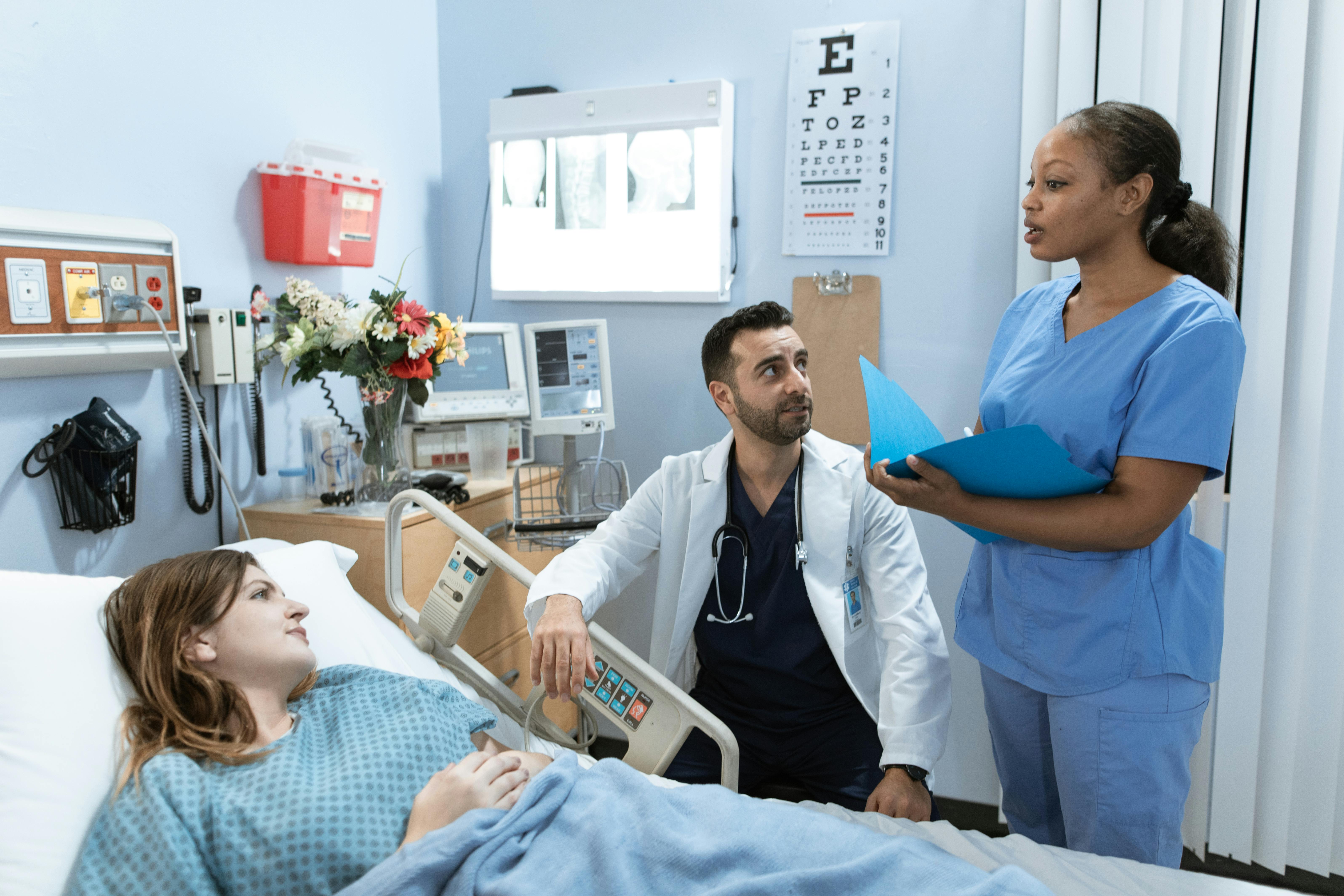
Nursing has become one of those careers that asks for brains, nerve and a decent pair of shoes. In the United States, healthcare keeps adding jobs because patients need care, hospitals need staff and older adults need more support. The Bureau of Labor Statistics says registered nurse employment will grow 5 percent from 2024 to 2034, faster than the average for all occupations, with about 189,100 openings each year on average through that decade.
That demand has changed how many people think about work. A person can enter nursing after school, after another degree or after years in a different job that has begun to feel, shall we say, a bit thin at the edges. The pay also draws attention. Registered nurses earned median annual pay of $93,600 in May 2024. That figure won’t write anyone’s care plan, but it does make the career conversation more serious.
Career changers now have routes that didn’t exist for past generations. A person with a non-nursing bachelor’s degree can use a direct-entry MSN degree program to move toward registered nurse licensure through graduate study, rather than starting from scratch. Elmhurst University’s online Master’s Entry in Nursing Practice program was the first of its kind in the country to be offered online, and the program prepares students for the NCLEX-RN exam and the Clinical Nurse Leader certification exam in 20 months. For students who already have research papers, family duties and work emails hanging around like unpaid interns, that kind of route can change what a nursing career looks like.
A career with clear demand
Nursing attracts people because the job connects skill with need. Patients need medication checks, wound care, education and someone who can notice when a situation has changed. Nurses work in hospitals, clinics, schools and home care. They also work in public health and insurance settings. The range helps people find a corner of the field that suits their strengths, once they’ve survived the training, which has never been accused of being too breezy.
The shortage picture adds another reason. The Health Resources and Services Administration projects a national shortage of 108,960 registered nurses by 2038, with larger gaps in nonmetropolitan areas. That shows why communities, hospitals and schools keep looking for trained staff who can enter practice and stay there.
Nursing schools have also seen strong interest. The American Association of Colleges of Nursing reported enrollment increases across many program levels in 2024, while 80,162 qualified applications were turned away from nursing schools nationwide. That number counts applications rather than separate people, so it needs care. Even so, it shows a system with demand on both sides: employers need nurses, and many students want in.
The work offers purpose without pretending it’s easy
People often choose nursing because it feels practical. The job puts training to use from the start. A nurse can help a patient understand a diagnosis, explain medication or catch a change that needs a doctor’s attention. That mix of science and human contact appeals to people who want work with a visible point. It also appeals to people who prefer doing something over attending another meeting about doing something.
The field also offers movement. A nurse might start in medical-surgical care, then move into pediatrics, emergency care or community health. Others may work toward leadership, education or advanced practice. The path doesn’t have one shape. That helps students who like healthcare but haven’t yet found their corner of it, which is fair enough. Choosing a life’s work at speed has always seemed a rather bold administrative demand.
Study support can help future nurses build the habits they’ll need. Strong notes, sound research skills and careful essay writing all matter because healthcare rewards accuracy. A care plan needs evidence. A research paper needs credible sources. A medication explanation needs clear wording. Students preparing for nursing coursework may also benefit from dedicated learning platforms such as Quizplus, which offers nursing-related study resources, practice materials and academic support tools designed to help learners strengthen their understanding of key concepts in nursing. Students, educators and homeschooling parents who already use structured learning tools may find the same habits transfer well to anatomy, physiology and nursing theory.
Education routes have become more flexible
Nursing has several entry points. Some students pursue an associate degree, then take the NCLEX-RN exam and seek licensure. Others complete a bachelor’s degree in nursing. Career changers with a bachelor’s degree in another field may choose an accelerated route or a graduate-entry program. The NCLEX-RN remains the national exam used by state boards to assess whether candidates can begin practice as registered nurses.
Online study has become a bigger part of higher education, which helps explain the interest in flexible nursing programs. The National Center for Education Statistics reported that 53.8 percent of postsecondary students took at least one distance education course in fall 2024. Nursing still needs clinical practice in person, of course.
That balance can suit adult learners. Online coursework can cover theory, research and discussion, while clinical placements build patient care skills. Students still need time, stamina and a calendar with manners. Yet the format can reduce the need to move cities or leave work at once. For many prospective nurses, that difference decides whether the plan remains an idea or becomes an application.