
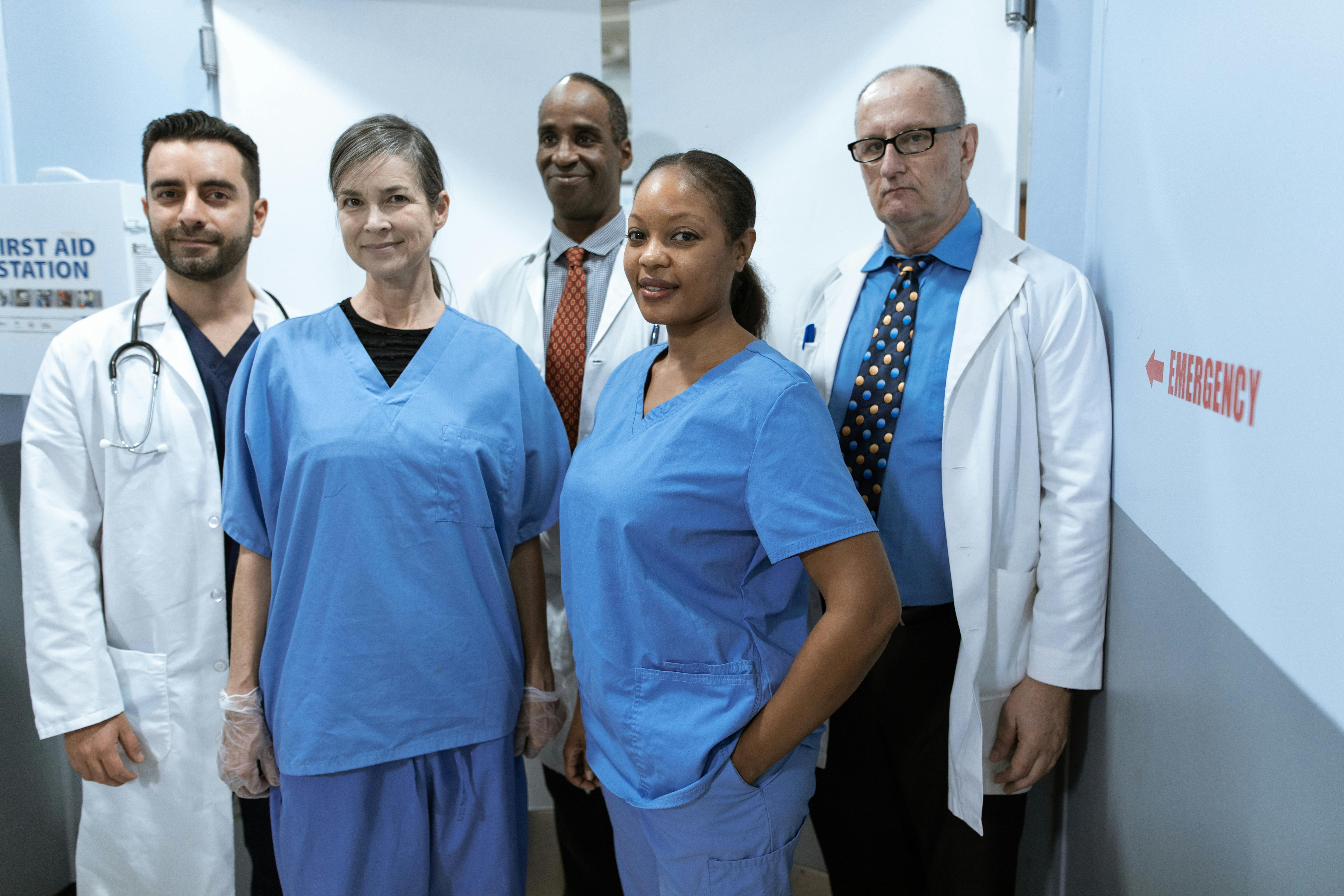
For those who already have a bachelor’s degree in another discipline, nursing may hold a unique opportunity, a second career path to a stable, respected, and in-demand profession. However, the path to nursing is not an easy one to follow. Traditional programs can last for years, and healthcare employers are looking for qualified nurses now. This is why accelerated nursing programs are becoming more prominent.
In 2026, an accelerated BSN degree may be advantageous for those who wish to become a registered nurse as quickly as possible, are willing to take on a rigorous course of study, and are ready to make the financial and personal sacrifices to obtain it. It’s not the most straightforward path to becoming a nurse, but it may be one of the most efficient, for the right student.
Why Accelerated BSN Programs Are Gaining Attention
The benefit of an accelerated BSN begins with the healthcare job market. Registered nurses are needed in hospitals, clinics, long-term care facilities, home health agencies, public health agencies, and outpatient practices. An aging population, chronic disease, staff turnover and the ongoing complexity of patient care are driving up demand.
This is a real chance for those who want to switch jobs. If a person already has a non-nursing degree, they may not wish to repeat the four-year traditional BSN. Accelerated programs are offered to acknowledge past education and provide a streamlined, more condensed nursing preparation program.
This is not to say that the education is less rigorous. Accelerated programs are challenging in many ways because they cover a lot of material in a short time. Students need to rapidly progress through the subjects of anatomy, pharmacology, pathophysiology, health assessment, clinical skills, ethics, patient safety, and evidence-based practice. The pay-off is speed; the cost is intensity.
The Career Return Can Be Strong
One reason to consider an accelerated BSN is that it provides a clear path to a professional credential. Upon successful completion of the program and passing the NCLEX, you can become a registered nurse and pursue a variety of careers.
The BSN can also be held for the long-term. Bachelor’s-prepared nurses are preferred or highly sought after by many hospitals, particularly in acute care, leadership-track roles, specialty units, and magnet-recognized hospitals. A BSN may also serve as a stepping stone to graduate work in the future, such as nurse practitioner programs, nursing education, nursing leadership, nurse anesthesia, informatics, and public health.
That makes the degree more than a short-term job credential. It can serve as a foundation for a long career in healthcare. The payoff can be both monetary and career for a person coming out of a field that offers little opportunity for promotion, uncertain demand, or little personal satisfaction.
The Cost Needs Careful Planning
The primary concern for students is price. When considering the cost of an accelerated BSN program, tuition, fees, books, uniforms, equipment, exam costs, commuting, background checks, and reduced work hours all must be taken into account.
Moreover, the hidden cost is the time. Many accelerated programs are not easy to balance with a full-time job. Students might have to reduce their workload, dip into their savings, borrow money, or ask family members for assistance. Even if the career is good, the degree may still seem like a gamble.
That’s why it is important for applicants not to just focus on the tuition figure. They should take into account the overall program fees, scholarships, employer connections, payment arrangements, prerequisites, and expected earnings upon program completion. The student’s realistic financing plan for the degree, without taking on unsustainable debt, makes the program more likely to be worth it.
Speed Is Valuable, but Quality Matters More
Although the word “accelerated” can be a drawcard, speed cannot be the sole selling point. Nurses work in a safety-sensitive job. Students require good clinical preparation, not merely speedy coursework.
A good accelerated BSN program should offer comprehensive simulation training, supervised clinical experiences, experienced faculty, academic support, NCLEX preparation, and clear communication about expectations. In addition to institutional support, many nursing students use learning platforms such as Quizplus, which offers nursing-related study resources, practice questions, exam preparation materials, and educational tools that can help reinforce classroom learning and support success throughout an accelerated nursing program. Important factors for students to consider include program accreditation, licensure eligibility, graduate outcomes, and clinical partnerships.
The best programs are not simply fast. They are structured. They know that accelerated students are not only highly motivated, mature, and capable, but they also require assistance in an intensive transition into healthcare.
Who Is a Good Fit?
The accelerated BSN is best for those with discipline, resilience, and a willingness to work hard. It can be a great choice for those who have already decided that they are interested in a career in direct patient care and are ready for hours of studying, clinical rotations, tests, and stress.
It might be particularly appealing to individuals with a background in science, public health, psychology, education, social work, emergency response, military service, care, or healthcare support. While these backgrounds can be helpful, it does not mean that serious preparation isn’t necessary.
Furthermore, the degree might not be ideal for students who work full-time, lack flexibility in their work hours, or are unsure they want to pursue a career in nursing. The speed is high, so it’s tough to get lazy. Pupils must come with a definite aim.
So, Is It Worth It?
In 2026, an accelerated BSN degree can be a worthwhile option for a student seeking a quick path to the nursing profession and willing to provide the necessary support, finances, and discipline to attend an intensive program. It can provide excellent career mobility, long-term stability and a direct route into meaningful health care jobs.
However, it’s not a shortcut in the casual sense. It’s a compact, high-pressure route to a challenging career. It should be viewed as a serious investment, NOT just a quick degree.
Its worth is obvious for the right individual. An accelerated BSN program has the potential to transform a current bachelor’s degree into a second career that is purposeful, flexible, and has long-term growth. That makes it one of the more practical educational choices a career changer can make in a healthcare system that is thirsty for skilled nurses.