





 Chat with AI


Sensation and Perception 9th Edition by Bruce Goldstein
Edition 9ISBN: 978-1133958475Sensation and Perception 9th Edition by Bruce Goldstein
Edition 9ISBN: 978-1133958475 Exercise 4
Figure shows two displays. The display in (b) was created by changing the top and bottom of the display in (a), while keeping the intensity distributions across the centers of the displays constant. (You can convince yourself that this is true by masking off the top and bottom of the displays.) But even though the intensities are the same, the display in (a) looks like a dark surface on the left and a light surface on the right, whereas the display in (b) looks like two curved cylinders with a slight shadow on the left one. How would you explain this, based on what we know about the causes of lightness constancy?
Figure 1 The light distribution is identical for (a) and (b), though it appears to be different.
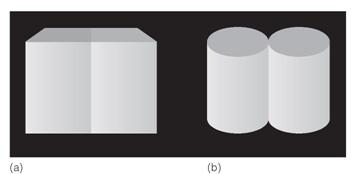
Figure 2 A black-and-white checkerboard illuminated by (a) tungsten light and (b) sunlight.
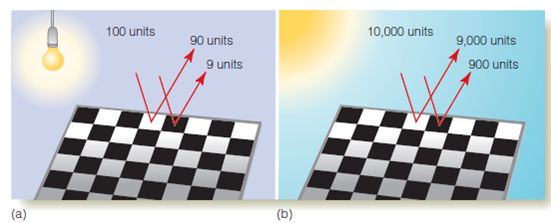
Figure 1 The light distribution is identical for (a) and (b), though it appears to be different.
Figure 2 A black-and-white checkerboard illuminated by (a) tungsten light and (b) sunlight.
Explanation Verified
Verified
Light constancy is the phenomenon of obs...

Sensation and Perception 9th Edition by Bruce Goldstein

Why don’t you like this exercise?
Other Minimum 8 character and maximum 255 character
Character 255







