expand icon
book Accounting: What the Numbers Mean 9th Edition by Wayne W McManus, Daniel F Viele, David H Marshall cover

Accounting: What the Numbers Mean 9th Edition by Wayne W McManus, Daniel F Viele, David H Marshall

Edition 9ISBN: 0073527068
book Accounting: What the Numbers Mean 9th Edition by Wayne W McManus, Daniel F Viele, David H Marshall cover

Accounting: What the Numbers Mean 9th Edition by Wayne W McManus, Daniel F Viele, David H Marshall

Edition 9ISBN: 0073527068
Exercise 64
Step-by-step solution
Verified
like image
like image

Step 1 of 4

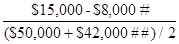
a.?Accounting rate of return =
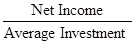
    <div class=answer> a.?Accounting rate of return =    =    = <span class=bold>15.2%</span> The investment would probably <span class=italics>not</span>be made because the indicated ARR of 15.2% is less than the 16% desired rate of return. # Depreciation expense = (Cost - Salvage) / Life = ($50,000 - $10,000) / 5 =  $8,000 ## Investment at end of the year = Investment at beginning of the year, less Accumulated depreciation = $50,000 - $8,000 = $42,000  =     <div class=answer> a.?Accounting rate of return =    =    = <span class=bold>15.2%</span> The investment would probably <span class=italics>not</span>be made because the indicated ARR of 15.2% is less than the 16% desired rate of return. # Depreciation expense = (Cost - Salvage) / Life = ($50,000 - $10,000) / 5 =  $8,000 ## Investment at end of the year = Investment at beginning of the year, less Accumulated depreciation = $50,000 - $8,000 = $42,000  = 15.2%

The investment would probably notbe made because the indicated ARR of 15.2% is less than the 16% desired rate of return.

# Depreciation expense = (Cost - Salvage) / Life

= ($50,000 - $10,000) / 5 =  $8,000

## Investment at end of the year = Investment at beginning of the year, less

Accumulated depreciation = $50,000 - $8,000 = $42,000


Step 2 of 4


Step 3 of 4


Step 4 of 4

close menu
Accounting: What the Numbers Mean 9th Edition by Wayne W McManus, Daniel F Viele, David H Marshall
cross icon