





 Chat with AI


Accounting: What the Numbers Mean 9th Edition by Wayne W McManus, Daniel F Viele, David H Marshall
Edition 9ISBN: 0073527068Accounting: What the Numbers Mean 9th Edition by Wayne W McManus, Daniel F Viele, David H Marshall
Edition 9ISBN: 0073527068Budget of the United States government: Internet assignment The Office of Management and Budget provides access to the budget of the United States government at its Web site: www.gpoaccess.gov/usbudget/citizensguide.html. “A Citizen’s Guide to the Federal Budget” provides information about the budget and the budget process for the general public. Access the guide for the most current fiscal year presented on the Web site and complete the following requirements:
Required:
a. Why was the guide designed, and what information is presented at this site?
b. What is the federal budget?
c. What percentage of the gross domestic product does spending for federal programs represent? What percentage does state and local government spending represent?
d. What was the amount of total receipts? Where did they come from?
e. What was the amount of total outlays? Where did they go?
f. Explain the process used by the government to create a budget.
g. How is the federal budget monitored?
h. What is meant by a budget surplus? A budget deficit?
i. Why is a budget deficit important? A budget surplus?
j. How does the government’s budget process compare to the operating budgeting process described in the chapter? What are the similarities and differences?
 Verified
Step 1 of 10
Note to Instructors:At the time we were preparing this 9th Edition of What the Numbers Mean, the most current version of The Citizen's Guide to the Federal Budget available at this website was for FY 2002 as you can see below. Our hope is that these links will remain available for use by your students and perhaps even additional years will be provided, but we certainly do not control their availability as time marches on. This solution provides a response based on FY 2002 but it can easily be adapted as additional fiscal years become available.
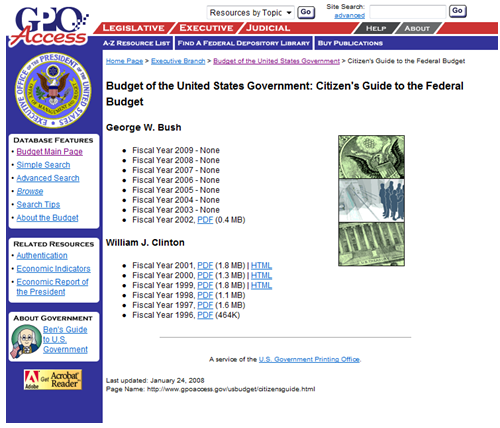
a. The Citizen's Guide to the Federal Budget is designed to give the reader a walking tour of the budget. The guide outlines for you how the Government raises revenues and spends money, how the President and Congress enact the budget, how the country has been able to move from deficit to surplus to deficit, and what the President hopes to accomplish with his budget.
Step 2 of 10
Step 3 of 10
Step 4 of 10
Step 5 of 10
Step 6 of 10
Step 7 of 10
Step 8 of 10
Step 9 of 10
Step 10 of 10


Why don’t you like this exercise?
Other






