





 Chat with AI

Deck 8: Revolutions on Land and Sea
Full screen (f)

Question

Question
Question
Question
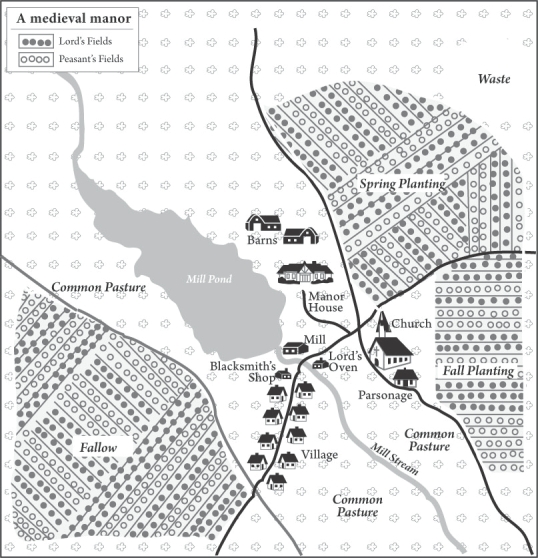 Which term best describes life as depicted in this image?
A) Mutable
B) Disorganized
C) Communal
D) Independent
Question
Question
Question
Question
Question
Question
Question
Question
Question
Question
Question
Question
Question
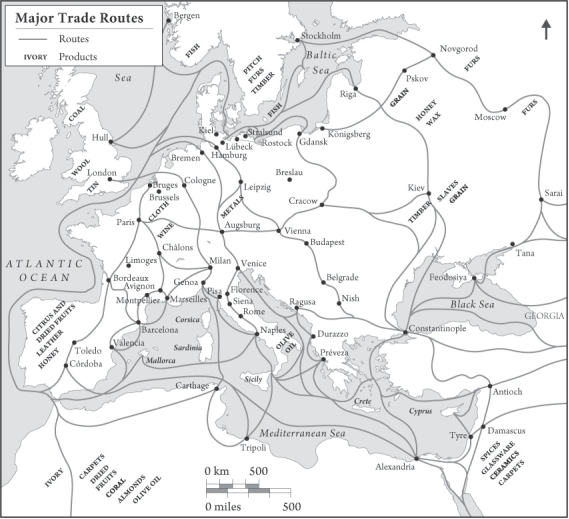 Which area was the chief exporter of ceramics and spices?
A) The Iberian peninsula
B) The Arabian peninsula
C) Scandinavia
D) Central Europe
Question
Question
Question

Unlock Deck
Sign up to unlock the cards in this deck!
Unlock Deck
Unlock Deck
1/20

Play

Full screen (f)
Deck 8: Revolutions on Land and Sea
1
Approximately what percent of medieval people lived agrarian lives c. 1100?
A) Ten
B) Twenty-five
C) Sixty
D) Ninety
A) Ten
B) Twenty-five
C) Sixty
D) Ninety
D
2
What information does scientific evidence reveal for c. 1050-1300?
A) Mild, wet weather that increased agricultural output
B) Cold, dry weather that increased famine
C) Very variable weather that prohibited reliable crops
D) A long period of freezing temperatures that cut down the population
A) Mild, wet weather that increased agricultural output
B) Cold, dry weather that increased famine
C) Very variable weather that prohibited reliable crops
D) A long period of freezing temperatures that cut down the population
A
3
Peasants who placed themselves and their families under the protection of warlords became known as ____________.
Serfs
4
Which term best describes life as depicted in this image?A) Mutable
B) Disorganized
C) Communal
D) Independent
Unlock Deck
Unlock for access to all 20 flashcards in this deck.
Unlock Deck
k this deck
5
What new advantage did the three-field system offer?
A) A chance for soil to rest and replenish, resulting in better crop yield
B) An opportunity for all members of a family to perform labor
C) The subdivision of planting fields among neighbors
D) The invention of a new plow, designed for light, dry soil
A) A chance for soil to rest and replenish, resulting in better crop yield
B) An opportunity for all members of a family to perform labor
C) The subdivision of planting fields among neighbors
D) The invention of a new plow, designed for light, dry soil
Unlock Deck
Unlock for access to all 20 flashcards in this deck.
Unlock Deck
k this deck
6
Which newly introduced technologies helped revolutionize medieval farming? (Select all that apply.)
A) The moldboard plow
B) Padded-collar yokes
C) Horses as draught animals
D) The two-field system
A) The moldboard plow
B) Padded-collar yokes
C) Horses as draught animals
D) The two-field system
Unlock Deck
Unlock for access to all 20 flashcards in this deck.
Unlock Deck
k this deck
7
Which of the following were NOT staples of the medieval peasant diet?
A) Meat
B) Root vegetables
C) Cheese
D) Fish
A) Meat
B) Root vegetables
C) Cheese
D) Fish
Unlock Deck
Unlock for access to all 20 flashcards in this deck.
Unlock Deck
k this deck
8
Which of the following labor was typically qualified as 'women's work'?
A) Harvesting
B) Ale-brewing
C) Butchering
D) Milling
A) Harvesting
B) Ale-brewing
C) Butchering
D) Milling
Unlock Deck
Unlock for access to all 20 flashcards in this deck.
Unlock Deck
k this deck
9
What is true about peasant religion?
A) Peasants were well-educated in doctrine
B) Peasants had frequent contact with priests
C) Peasants had no interest in religion
D) Peasants retained folkloric beliefs and practices
A) Peasants were well-educated in doctrine
B) Peasants had frequent contact with priests
C) Peasants had no interest in religion
D) Peasants retained folkloric beliefs and practices
Unlock Deck
Unlock for access to all 20 flashcards in this deck.
Unlock Deck
k this deck
10
What occurred in the aftermath of Carolingian breakup?
A) Declined population that resulted in deurbanization and ruin
B) Increased population that resulted in the foundation of new towns
C) Islamic occupation of former Carolingian territories
D) The collapse of manorialism
A) Declined population that resulted in deurbanization and ruin
B) Increased population that resulted in the foundation of new towns
C) Islamic occupation of former Carolingian territories
D) The collapse of manorialism
Unlock Deck
Unlock for access to all 20 flashcards in this deck.
Unlock Deck
k this deck
11
Which modern-day area was the first to declare its independence from the Abbasid caliphate?
A) Tunisia
B) Spain
C) Algeria
D) Egypt
A) Tunisia
B) Spain
C) Algeria
D) Egypt
Unlock Deck
Unlock for access to all 20 flashcards in this deck.
Unlock Deck
k this deck
12
What was an unexpected outcome of the steadily increasing agricultural surplus in the West?
A) Increased power in the hands of kings
B) Money to finance the building of universities
C) The collapse of trade throughout former Carolingian territories
D) Revived trade with the Islamic states along the Mediterranean
A) Increased power in the hands of kings
B) Money to finance the building of universities
C) The collapse of trade throughout former Carolingian territories
D) Revived trade with the Islamic states along the Mediterranean
Unlock Deck
Unlock for access to all 20 flashcards in this deck.
Unlock Deck
k this deck
13
The Rus' people emerged from the assimilation of Swedish and ________ populations.
Unlock Deck
Unlock for access to all 20 flashcards in this deck.
Unlock Deck
k this deck
14
By the end of the eleventh century, how had the Byzantine empire changed?
A) It reoriented itself towards Europe
B) It reoriented itself towards Asia
C) It halted trade with Muslim merchants
D) It exported only raw materials
A) It reoriented itself towards Europe
B) It reoriented itself towards Asia
C) It halted trade with Muslim merchants
D) It exported only raw materials
Unlock Deck
Unlock for access to all 20 flashcards in this deck.
Unlock Deck
k this deck
15
Which city became the premiere Italian port for shipbuilding and trade?
A) Naples
B) Amalfi
C) Venice
D) Pisa
A) Naples
B) Amalfi
C) Venice
D) Pisa
Unlock Deck
Unlock for access to all 20 flashcards in this deck.
Unlock Deck
k this deck
16
Northern Europe was famed for which product?
A) Wool
B) Coal
C) Lead
D) Salt
A) Wool
B) Coal
C) Lead
D) Salt
Unlock Deck
Unlock for access to all 20 flashcards in this deck.
Unlock Deck
k this deck
17
Which area was the chief exporter of ceramics and spices?A) The Iberian peninsula
B) The Arabian peninsula
C) Scandinavia
D) Central Europe
Unlock Deck
Unlock for access to all 20 flashcards in this deck.
Unlock Deck
k this deck
18
Which invention(s) greatly facilitated naval navigation? (Select all that apply.)
A) The astrolabe
B) The lateen sail
C) The steerboard
D) The compass
A) The astrolabe
B) The lateen sail
C) The steerboard
D) The compass
Unlock Deck
Unlock for access to all 20 flashcards in this deck.
Unlock Deck
k this deck
19
The ___________ contract was an agreement between an investing merchant and an acting merchant for a single commercial venture.
Unlock Deck
Unlock for access to all 20 flashcards in this deck.
Unlock Deck
k this deck
20
What major risk did merchants encounter on the Mediterranean?
A) Constant storms
B) Police ships
C) Piracy
D) Competition from the Indian Ocean
A) Constant storms
B) Police ships
C) Piracy
D) Competition from the Indian Ocean
Unlock Deck
Unlock for access to all 20 flashcards in this deck.
Unlock Deck
k this deck
Unlock Deck
Unlock for access to all 20 flashcards in this deck.







