





 Chat with AI

Deck 15: The Special Senses
Full screen (f)

Question

Question
Question
Question
Question
Question
Question
Question
Question
Question
Question
Question
Question
Question
Question
Question
Question
Question
Question
Question
Question
Question
Question
Question
Question
Question
Question
Question
Question
Question
Question
Question
Question
Question
Question
Question
Question
Question
Question
Question
Question
Question
Question
Question
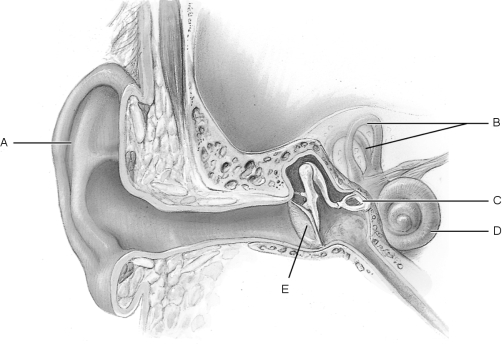 Figure 15.4Using Figure 15.4, match the following:
Semicircular canals.
Question
Question
Figure 15.4Using Figure 15.4, match the following:Explain why prolonged periods of reading tire the eye muscles and result in eye strain.
Question
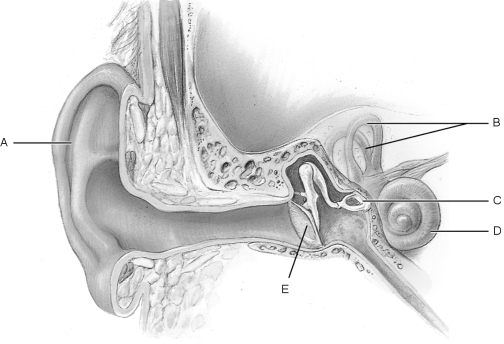 Figure 15.4Using Figure 15.4, match the following:
Contrast light and dark adaptation and include the role of the rods and cones.
Question
 Figure 15.4Using Figure 15.4, match the following:
Pinna.
Question
Figure 15.4Using Figure 15.4, match the following:Balance organ.
Question
Question
Figure 15.4Using Figure 15.4, match the following:What is the chemical composition of the rod pigment, rhodopsin, and how does it appear to act in the reception of light?
Question
Question
Question
Question
Question
Question
Question
Question
Question
Question
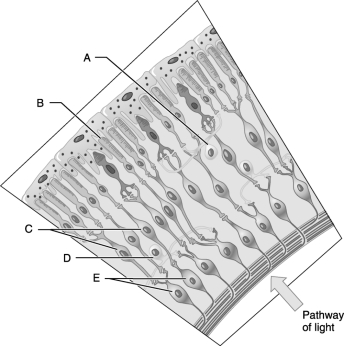 Figure 15.1Using Figure 15.1, match the following:
Rod.
Question
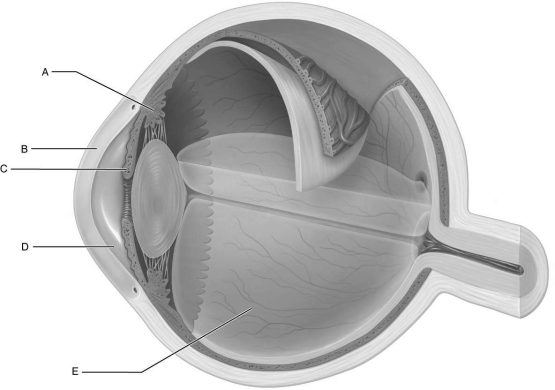 Figure 15.3Using Figure 15.3, match the following:
What two things does the ciliary body do?
Question
 Figure 15.2Using Figure 15.2, match the following:
Contains only cones; provides detailed color vision.
Question
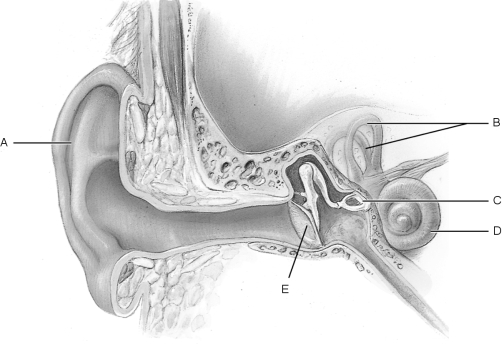 Figure 15.4Using Figure 15.4, match the following:
Cochlea.
Question
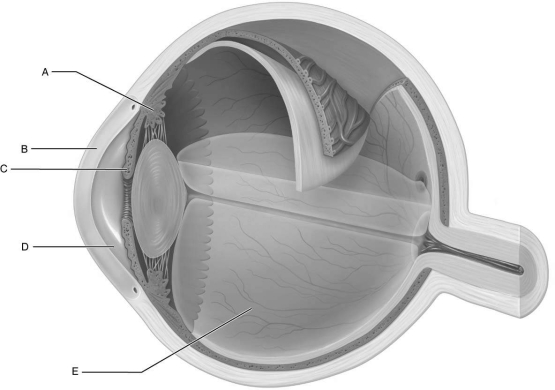 Figure 15.3Using Figure 15.3, match the following:
Controls lens shape.
Question
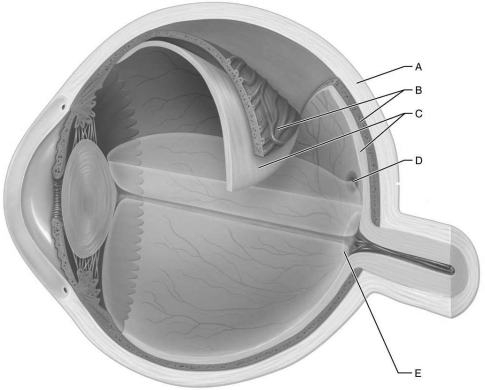 Figure 15.2Using Figure 15.2, match the following:
Explain why your nose runs during and immediately after a good cry.
Question
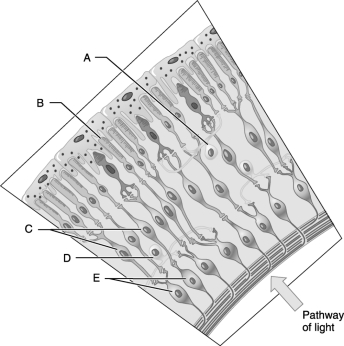 Figure 15.1Using Figure 15.1, match the following:
Amacrine cell.
Question
 Figure 15.2Using Figure 15.2, match the following:
Consists of a pigmented layer and a neural layer.
Question
Figure 15.1Using Figure 15.1, match the following:The apex of the cochlea hears sounds in the range of _ Hz.
Question
Figure 15.3Using Figure 15.3, match the following:Explain why a bad cold can result in food not tasting the same as it normally does.
Question
Figure 15.1Using Figure 15.1, match the following:Explain the role of the endolymph of the semicircular canals in activating the receptors during angular motion.
Question
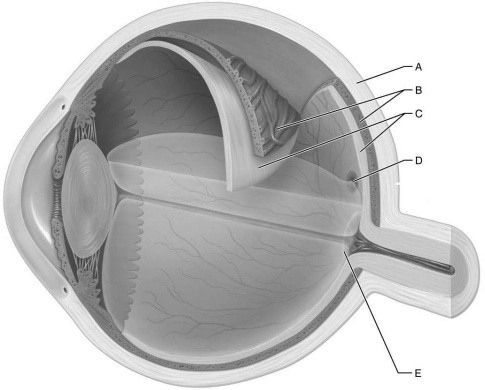 Figure 15.2Using Figure 15.2, match the following:
Blood vessels supply nutrition to all eye layers.
Question
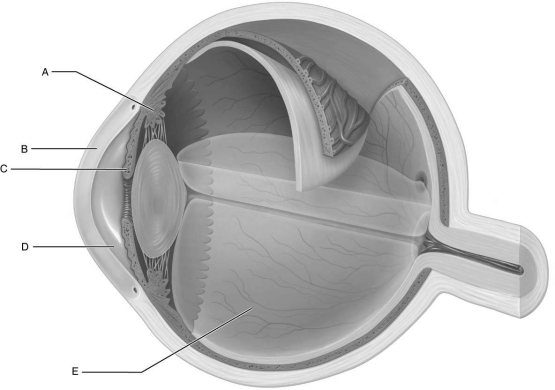 Figure 15.3Using Figure 15.3, match the following:
The only tissue in the body that can be transplanted from one person to another with little or no rejection.
Question
Figure 15.3Using Figure 15.3, match the following:After head trauma from an automobile accident, a man has anosmia. Define anosmia. Why is this condition fairly common after such injuries and in cases of severe nasal cavity inflammation?
Question
Figure 15.1Using Figure 15.1, match the following:High frequency sounds are detected when the basilar membrane is displaced near the .
Question
Figure 15.2Using Figure 15.2, match the following:Taste sensation also involves chemoreceptors, thermoreceptors, mechanoreceptors, and
.
Question
Figure 15.2Using Figure 15.2, match the following:Protects and shapes the eyeball; provides a sturdy anchoring site for extrinsic eye muscles.
Question
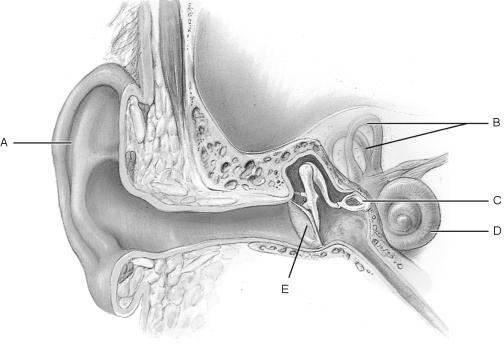 Figure 15.4Using Figure 15.4, match the following:
Stapes.
Question
Figure 15.1Using Figure 15.1, match the following:Taste is solely a response to chemicals dissolved in .
Question
Figure 15.3Using Figure 15.3, match the following:Acts as a reflexively activated diaphragm to vary pupil size.

Unlock Deck
Sign up to unlock the cards in this deck!
Unlock Deck
Unlock Deck
1/127

Play

Full screen (f)
Deck 15: The Special Senses
1
Nerve fibers from the medial aspect of each eye .
A) cross over to the opposite side at the chiasma
B) pass posteriorly without crossing over at the chiasma
C) divide at the chiasma, with some crossing and some not crossing
D) go to the superior colliculus only
A) cross over to the opposite side at the chiasma
B) pass posteriorly without crossing over at the chiasma
C) divide at the chiasma, with some crossing and some not crossing
D) go to the superior colliculus only
A
2
As sound levels increase in the spiral organ (of Corti), .
A) inner hair cells stiffen the basilar membrane
B) inner hair cells bend the cilia away from the kinocilium
C) outer hair cells stiffen the basilar membrane
D) outer hair cells bend the cilia away from the kinocilium
A) inner hair cells stiffen the basilar membrane
B) inner hair cells bend the cilia away from the kinocilium
C) outer hair cells stiffen the basilar membrane
D) outer hair cells bend the cilia away from the kinocilium
C
3
8) During dark adaptation _ .
A) rhodopsin accumulates in the rods
B) the rate of rhodopsin breakdown is accelerated
C) the cones are activated
D) the sensitivity of the retina decreases
A) rhodopsin accumulates in the rods
B) the rate of rhodopsin breakdown is accelerated
C) the cones are activated
D) the sensitivity of the retina decreases
A
4
Taste buds are not found .
A) in filiform papillae
B) lining the buccal cavity
C) in fungiform papillae
D) in circumvallate papillae
A) in filiform papillae
B) lining the buccal cavity
C) in fungiform papillae
D) in circumvallate papillae
Unlock Deck
Unlock for access to all 127 flashcards in this deck.
Unlock Deck
k this deck
5
Bitter taste is elicited by .
A) hydrogen ions
B) metal ions
C) acids
D) alkaloids
A) hydrogen ions
B) metal ions
C) acids
D) alkaloids
Unlock Deck
Unlock for access to all 127 flashcards in this deck.
Unlock Deck
k this deck
6
Most newborns .
A) cry with copious tears
B) are myopic
C) often use only one eye at a time
D) see in tones of red and green only
A) cry with copious tears
B) are myopic
C) often use only one eye at a time
D) see in tones of red and green only
Unlock Deck
Unlock for access to all 127 flashcards in this deck.
Unlock Deck
k this deck
7
The first "way station" in the visual pathway from the eye, after there has been partial crossover of the fibers in the optic chiasma, is the .
A) temporal lobe
B) superior colliculi
C) visual cortex
D) lateral geniculate body of the thalamus
A) temporal lobe
B) superior colliculi
C) visual cortex
D) lateral geniculate body of the thalamus
Unlock Deck
Unlock for access to all 127 flashcards in this deck.
Unlock Deck
k this deck
8
Which of the follow types of neurons are replaced throughout adult life?
A) retinal ganglion cells
B) auditory outer and inner hair cells
C) olfactory receptor cells
D) retinal bipolar cells
A) retinal ganglion cells
B) auditory outer and inner hair cells
C) olfactory receptor cells
D) retinal bipolar cells
Unlock Deck
Unlock for access to all 127 flashcards in this deck.
Unlock Deck
k this deck
9
Farsightedness is more properly called _ .
A) presbyopia
B) hypopia
C) myopia
D) hyperopia
A) presbyopia
B) hypopia
C) myopia
D) hyperopia
Unlock Deck
Unlock for access to all 127 flashcards in this deck.
Unlock Deck
k this deck
10
The first vestiges of eyes in the embryo are called .
A) optic vesicles
B) mesenchyme
C) optic discs
D) optic cups
A) optic vesicles
B) mesenchyme
C) optic discs
D) optic cups
Unlock Deck
Unlock for access to all 127 flashcards in this deck.
Unlock Deck
k this deck
11
There are three layers of neurons in the retina. The axons of which of these neuron layers form the optic nerves?
A) bipolar cells
B) ganglion cells
C) rod cells
D) cone cells
A) bipolar cells
B) ganglion cells
C) rod cells
D) cone cells
Unlock Deck
Unlock for access to all 127 flashcards in this deck.
Unlock Deck
k this deck
12
An essential part of the maculae involved in static equilibrium is (are) the _ _.
A) scala media
B) cupula
C) spiral organ (of Corti)
D) otoliths
A) scala media
B) cupula
C) spiral organ (of Corti)
D) otoliths
Unlock Deck
Unlock for access to all 127 flashcards in this deck.
Unlock Deck
k this deck
13
The receptor for static equilibrium is the .
A) utricle
B) semicircular canals
C) macula
D) cochlear duct
A) utricle
B) semicircular canals
C) macula
D) cochlear duct
Unlock Deck
Unlock for access to all 127 flashcards in this deck.
Unlock Deck
k this deck
14
In the visual pathways to the brain, the optic radiations project to the _.
A) lateral geniculate body
B) optic chiasma
C) medial retina
D) primary visual cortex
A) lateral geniculate body
B) optic chiasma
C) medial retina
D) primary visual cortex
Unlock Deck
Unlock for access to all 127 flashcards in this deck.
Unlock Deck
k this deck
15
What prevents the eyelids from sticking together when the eyes close?
A) ciliary gland secretions
B) tarsal gland secretions
C) conjunctival fluid
D) lacrimal fluid
A) ciliary gland secretions
B) tarsal gland secretions
C) conjunctival fluid
D) lacrimal fluid
Unlock Deck
Unlock for access to all 127 flashcards in this deck.
Unlock Deck
k this deck
16
Which of the following taste sensations is incorrectly matched to the chemicals that produce it?
A) sour-acids
B) bitter-alkaloids
C) salty-metal ions
D) umami-triglycerides and fatty acids
E) sweet-organic substances such as sugar and some lead salts
A) sour-acids
B) bitter-alkaloids
C) salty-metal ions
D) umami-triglycerides and fatty acids
E) sweet-organic substances such as sugar and some lead salts
Unlock Deck
Unlock for access to all 127 flashcards in this deck.
Unlock Deck
k this deck
17
Olfactory cells and taste buds are normally stimulated by .
A) the movement of otoliths
B) substances in solution
C) stretching of the receptor cells
D) movement of a cupula
A) the movement of otoliths
B) substances in solution
C) stretching of the receptor cells
D) movement of a cupula
Unlock Deck
Unlock for access to all 127 flashcards in this deck.
Unlock Deck
k this deck
18
What structure regulates the amount of light passing to the visual receptors of the eye?
A) cornea
B) lens
C) iris
D) aqueous humor
A) cornea
B) lens
C) iris
D) aqueous humor
Unlock Deck
Unlock for access to all 127 flashcards in this deck.
Unlock Deck
k this deck
19
Dark adaptation .
A) involves accumulation of rhodopsin
B) primarily involves improvement of acuity and color vision
C) results in inhibition of rod function
D) is much faster than light adaptation
A) involves accumulation of rhodopsin
B) primarily involves improvement of acuity and color vision
C) results in inhibition of rod function
D) is much faster than light adaptation
Unlock Deck
Unlock for access to all 127 flashcards in this deck.
Unlock Deck
k this deck
20
Ordinarily, it is not possible to transplant tissues from one person to another, yet corneas can be transplanted without tissue rejection. This is because the cornea .
A) has no nerve supply
B) has no blood supply
C) does not contain connective tissue
D) is not a living tissue
A) has no nerve supply
B) has no blood supply
C) does not contain connective tissue
D) is not a living tissue
Unlock Deck
Unlock for access to all 127 flashcards in this deck.
Unlock Deck
k this deck
21
Which statement about sound localization is not true?
A) It requires processing at the cortical level.
B) It requires input from both ears.
C) It is difficult to discriminate sound sources in the midline.
D) It uses time differences between sound reaching the two ears.
A) It requires processing at the cortical level.
B) It requires input from both ears.
C) It is difficult to discriminate sound sources in the midline.
D) It uses time differences between sound reaching the two ears.
Unlock Deck
Unlock for access to all 127 flashcards in this deck.
Unlock Deck
k this deck
22
Conscious perception of vision probably reflects activity in the .
A) chiasma
B) thalamus
C) superior colliculus
D) occipital lobe of the cortex
A) chiasma
B) thalamus
C) superior colliculus
D) occipital lobe of the cortex
Unlock Deck
Unlock for access to all 127 flashcards in this deck.
Unlock Deck
k this deck
23
Ceruminous glands are _ .
A) modified taste buds
B) glands found in the lateral corners of your eye
C) saliva glands found at the base of the tongue
D) modified apocrine sweat glands
A) modified taste buds
B) glands found in the lateral corners of your eye
C) saliva glands found at the base of the tongue
D) modified apocrine sweat glands
Unlock Deck
Unlock for access to all 127 flashcards in this deck.
Unlock Deck
k this deck
24
What is the main function of the rods in the eye?
A) vision in dim light
B) color vision
C) depth perception
D) accommodation for near vision
A) vision in dim light
B) color vision
C) depth perception
D) accommodation for near vision
Unlock Deck
Unlock for access to all 127 flashcards in this deck.
Unlock Deck
k this deck
25
The receptor membranes of gustatory cells are .
A) basal cells
B) gustatory hairs
C) taste buds
D) fungiform papillae
A) basal cells
B) gustatory hairs
C) taste buds
D) fungiform papillae
Unlock Deck
Unlock for access to all 127 flashcards in this deck.
Unlock Deck
k this deck
26
Tinnitus, vertigo, and gradual hearing loss typify the disorder called .
A) Ménière's syndrome
B) conjunctivitis
C) motion sickness
D) strabismus
A) Ménière's syndrome
B) conjunctivitis
C) motion sickness
D) strabismus
Unlock Deck
Unlock for access to all 127 flashcards in this deck.
Unlock Deck
k this deck
27
Another name for the primary visual cortex is .
A) prefrontal cortex
B) striate cortex
C) prestriate cortex
D) collicular cortex
A) prefrontal cortex
B) striate cortex
C) prestriate cortex
D) collicular cortex
Unlock Deck
Unlock for access to all 127 flashcards in this deck.
Unlock Deck
k this deck
28
Which pairing of terms is incorrectly related?
A) frequency of sound waves: number of wavelengths
B) amplitude of a sound: intensity of the sound
C) quality of a sound : frequency of the sound
D) frequency of sound waves: loudness of the sound
A) frequency of sound waves: number of wavelengths
B) amplitude of a sound: intensity of the sound
C) quality of a sound : frequency of the sound
D) frequency of sound waves: loudness of the sound
Unlock Deck
Unlock for access to all 127 flashcards in this deck.
Unlock Deck
k this deck
29
Seventy percent of all sensory receptors are located in the .
A) skin
B) ears
C) nose
D) eye
A) skin
B) ears
C) nose
D) eye
Unlock Deck
Unlock for access to all 127 flashcards in this deck.
Unlock Deck
k this deck
30
Which of the following could not be seen as one looks into the eye with an ophthalmoscope?
A) fovea centralis
B) macula lutea
C) optic chiasma
D) optic disc
A) fovea centralis
B) macula lutea
C) optic chiasma
D) optic disc
Unlock Deck
Unlock for access to all 127 flashcards in this deck.
Unlock Deck
k this deck
31
What is a modiolus?
A) a bony area around the junction of the facial, vestibular, and cochlear nerves
B) a bone pillar in the center of the cochlea
C) bone in the center of a semicircular canal
D) bone around the cochlea
A) a bony area around the junction of the facial, vestibular, and cochlear nerves
B) a bone pillar in the center of the cochlea
C) bone in the center of a semicircular canal
D) bone around the cochlea
Unlock Deck
Unlock for access to all 127 flashcards in this deck.
Unlock Deck
k this deck
32
Visible light fits between .
A) X rays and UV
B) microwaves and radio waves
C) infrared and microwaves
D) UV and infrared
A) X rays and UV
B) microwaves and radio waves
C) infrared and microwaves
D) UV and infrared
Unlock Deck
Unlock for access to all 127 flashcards in this deck.
Unlock Deck
k this deck
33
The blind spot of the eye is where .
A) more rods than cones are found
B) the optic nerve leaves the eye
C) only cones occur
D) the macula lutea is located
A) more rods than cones are found
B) the optic nerve leaves the eye
C) only cones occur
D) the macula lutea is located
Unlock Deck
Unlock for access to all 127 flashcards in this deck.
Unlock Deck
k this deck
34
Receptors for hearing are located in the .
A) semicircular canals
B) cochlea
C) vestibule
D) tympanic membrane
A) semicircular canals
B) cochlea
C) vestibule
D) tympanic membrane
Unlock Deck
Unlock for access to all 127 flashcards in this deck.
Unlock Deck
k this deck
35
Which of the following is not a possible cause of conduction deafness?
A) impacted cerumen
B) otosclerosis
C) cochlear nerve degeneration
D) middle ear infection
A) impacted cerumen
B) otosclerosis
C) cochlear nerve degeneration
D) middle ear infection
Unlock Deck
Unlock for access to all 127 flashcards in this deck.
Unlock Deck
k this deck
36
The cells of the retina in which action potentials are generated are the .
A) amacrine cells
B) bipolar cells
C) ganglion cells
D) rods and cones
A) amacrine cells
B) bipolar cells
C) ganglion cells
D) rods and cones
Unlock Deck
Unlock for access to all 127 flashcards in this deck.
Unlock Deck
k this deck
37
Which of the following is true about photoreceptors?
A) Three types of color- sensitive photoreceptors exist: red, green, and yellow.
B) Rods absorb light throughout the visual spectrum but confer only gray tone vision.
C) In dim light, images are focused directly on the rods in the fovea centralis.
D) If all cones are stimulated equally, all colors are absorbed by the cones and the color perceived is black.
A) Three types of color- sensitive photoreceptors exist: red, green, and yellow.
B) Rods absorb light throughout the visual spectrum but confer only gray tone vision.
C) In dim light, images are focused directly on the rods in the fovea centralis.
D) If all cones are stimulated equally, all colors are absorbed by the cones and the color perceived is black.
Unlock Deck
Unlock for access to all 127 flashcards in this deck.
Unlock Deck
k this deck
38
Select the correct statement about olfaction.
A) Olfactory adaptation is only due to fading of receptor cell response.
B) Olfactory receptors have a high degree of specificity toward a single type of chemical.
C) Substances must be volatile and hydrophobic in order to activate olfactory receptors.
D) Some of the sensation of olfaction is actually one of pain.
A) Olfactory adaptation is only due to fading of receptor cell response.
B) Olfactory receptors have a high degree of specificity toward a single type of chemical.
C) Substances must be volatile and hydrophobic in order to activate olfactory receptors.
D) Some of the sensation of olfaction is actually one of pain.
Unlock Deck
Unlock for access to all 127 flashcards in this deck.
Unlock Deck
k this deck
39
The tarsal plate of the eyelid .
A) is composed of connective tissue surrounding a thin cartilage plate
B) is connected to the levator palpebrae
C) is connected to the superior rectus muscle
D) assists in the act of winking
A) is composed of connective tissue surrounding a thin cartilage plate
B) is connected to the levator palpebrae
C) is connected to the superior rectus muscle
D) assists in the act of winking
Unlock Deck
Unlock for access to all 127 flashcards in this deck.
Unlock Deck
k this deck
40
Which of the following is not a characteristic of olfactory receptor cells?
A) They are unipolar neurons.
B) They are chemoreceptors.
C) They have a short life span of about 60 days.
D) They are ciliated.
A) They are unipolar neurons.
B) They are chemoreceptors.
C) They have a short life span of about 60 days.
D) They are ciliated.
Unlock Deck
Unlock for access to all 127 flashcards in this deck.
Unlock Deck
k this deck
41
The only special sense not fully functional at birth is the sense of .
A) taste
B) smell
C) vision
D) equilibrium
E) hearing
A) taste
B) smell
C) vision
D) equilibrium
E) hearing
Unlock Deck
Unlock for access to all 127 flashcards in this deck.
Unlock Deck
k this deck
42
Which statement about malnutrition- induced night blindness is most accurate?
A) The most common cause is vitamin D deficiency.
B) The impaired vision is caused by reduced cone function.
C) Vitamin supplements can reverse degenerative changes.
D) Visual pigment content is reduced in cones more than rods.
A) The most common cause is vitamin D deficiency.
B) The impaired vision is caused by reduced cone function.
C) Vitamin supplements can reverse degenerative changes.
D) Visual pigment content is reduced in cones more than rods.
Unlock Deck
Unlock for access to all 127 flashcards in this deck.
Unlock Deck
k this deck
43
Visual processing in the thalamus does not contribute significantly to .
A) movement perception
B) high- acuity vision
C) night vision
D) depth perception
A) movement perception
B) high- acuity vision
C) night vision
D) depth perception
Unlock Deck
Unlock for access to all 127 flashcards in this deck.
Unlock Deck
k this deck
44
Figure 15.4Using Figure 15.4, match the following:Semicircular canals.
Unlock Deck
Unlock for access to all 127 flashcards in this deck.
Unlock Deck
k this deck
45
Motion sickness seems to _.
A) respond best to medication that "boosts" vestibular inputs
B) result from mismatch between visual and vestibular inputs
C) respond best to medication taken after salivation and pallor begins
D) result from activation of nausea centers in the brain stem
A) respond best to medication that "boosts" vestibular inputs
B) result from mismatch between visual and vestibular inputs
C) respond best to medication taken after salivation and pallor begins
D) result from activation of nausea centers in the brain stem
Unlock Deck
Unlock for access to all 127 flashcards in this deck.
Unlock Deck
k this deck
46
Figure 15.4Using Figure 15.4, match the following:Explain why prolonged periods of reading tire the eye muscles and result in eye strain.
Unlock Deck
Unlock for access to all 127 flashcards in this deck.
Unlock Deck
k this deck
47
Figure 15.4Using Figure 15.4, match the following:Contrast light and dark adaptation and include the role of the rods and cones.
Unlock Deck
Unlock for access to all 127 flashcards in this deck.
Unlock Deck
k this deck
48
Figure 15.4Using Figure 15.4, match the following:Pinna.
Unlock Deck
Unlock for access to all 127 flashcards in this deck.
Unlock Deck
k this deck
49
Figure 15.4Using Figure 15.4, match the following:Balance organ.
Unlock Deck
Unlock for access to all 127 flashcards in this deck.
Unlock Deck
k this deck
50
Which of the following structures is not part of the external ear?
A) pharyngotympanic tube
B) tympanic membrane
C) external acoustic meatus
D) pinna
A) pharyngotympanic tube
B) tympanic membrane
C) external acoustic meatus
D) pinna
Unlock Deck
Unlock for access to all 127 flashcards in this deck.
Unlock Deck
k this deck
51
Figure 15.4Using Figure 15.4, match the following:What is the chemical composition of the rod pigment, rhodopsin, and how does it appear to act in the reception of light?
Unlock Deck
Unlock for access to all 127 flashcards in this deck.
Unlock Deck
k this deck
52
Select the correct statement about equilibrium.
A) Cristae respond to angular acceleration and deceleration.
B) Hair cells of both types of equilibrium hyperpolarize only, resulting in an increased rate of impulse transmission.
C) Due to dynamic equilibrium, movement can be perceived if rotation of the body continues at a constant rate.
D) The weight of the endolymph contained within the semicircular canals against the maculae is responsible for static equilibrium.
A) Cristae respond to angular acceleration and deceleration.
B) Hair cells of both types of equilibrium hyperpolarize only, resulting in an increased rate of impulse transmission.
C) Due to dynamic equilibrium, movement can be perceived if rotation of the body continues at a constant rate.
D) The weight of the endolymph contained within the semicircular canals against the maculae is responsible for static equilibrium.
Unlock Deck
Unlock for access to all 127 flashcards in this deck.
Unlock Deck
k this deck
53
Which of the following is true about gustatory receptors?
A) All gustatory receptors have the same threshold for activation.
B) Complete adaptation occurs in about one to five minutes.
C) The receptors generate an action potential in response to chemical stimuli.
D) In order for a chemical to be sensed, it must be hydrophobic.
A) All gustatory receptors have the same threshold for activation.
B) Complete adaptation occurs in about one to five minutes.
C) The receptors generate an action potential in response to chemical stimuli.
D) In order for a chemical to be sensed, it must be hydrophobic.
Unlock Deck
Unlock for access to all 127 flashcards in this deck.
Unlock Deck
k this deck
54
Visual inputs to the serve to synchronize biorhythms with natural light and dark.
A) pretectal nuclei
B) superior colliculi
C) suprachiasmatic nucleus
D) lateral geniculate body
A) pretectal nuclei
B) superior colliculi
C) suprachiasmatic nucleus
D) lateral geniculate body
Unlock Deck
Unlock for access to all 127 flashcards in this deck.
Unlock Deck
k this deck
55
The oval window is connected directly to which passageway?
A) external acoustic meatus
B) pharyngotympanic tube
C) scala vestibuli
D) scala tympani
A) external acoustic meatus
B) pharyngotympanic tube
C) scala vestibuli
D) scala tympani
Unlock Deck
Unlock for access to all 127 flashcards in this deck.
Unlock Deck
k this deck
56
Light passes through the following structures in which order?
A) cornea, vitreous humor, lens, aqueous humor
B) aqueous humor, cornea, lens, vitreous humor
C) vitreous humor, lens, aqueous humor, cornea
D) cornea, aqueous humor, lens, vitreous humor
A) cornea, vitreous humor, lens, aqueous humor
B) aqueous humor, cornea, lens, vitreous humor
C) vitreous humor, lens, aqueous humor, cornea
D) cornea, aqueous humor, lens, vitreous humor
Unlock Deck
Unlock for access to all 127 flashcards in this deck.
Unlock Deck
k this deck
57
The eye muscle that elevates and turns the eye laterally is the .
A) medial rectus
B) superior oblique
C) inferior oblique
D) lateral rectus
A) medial rectus
B) superior oblique
C) inferior oblique
D) lateral rectus
Unlock Deck
Unlock for access to all 127 flashcards in this deck.
Unlock Deck
k this deck
58
Which of the following is true about light and vision?
A) When we see the color of an object, all light is being absorbed by that object except for the color being experienced.
B) Human photoreceptors respond to light in the 100- 300 nm range.
C) Light is a form of electromagnetic radiation that slows down as it enters a medium of relatively less density.
D) The greater the incident angle of light striking a refractive surface, the less the amount of light bending.
A) When we see the color of an object, all light is being absorbed by that object except for the color being experienced.
B) Human photoreceptors respond to light in the 100- 300 nm range.
C) Light is a form of electromagnetic radiation that slows down as it enters a medium of relatively less density.
D) The greater the incident angle of light striking a refractive surface, the less the amount of light bending.
Unlock Deck
Unlock for access to all 127 flashcards in this deck.
Unlock Deck
k this deck
59
Information from balance receptors goes directly to the .
A) back muscles
B) visual cortex
C) brain stem reflex centers
D) motor cortex
A) back muscles
B) visual cortex
C) brain stem reflex centers
D) motor cortex
Unlock Deck
Unlock for access to all 127 flashcards in this deck.
Unlock Deck
k this deck
60
Damage to the medial rectus muscles would probably affect _.
A) accommodation
B) convergence
C) pupil constriction
D) refraction
A) accommodation
B) convergence
C) pupil constriction
D) refraction
Unlock Deck
Unlock for access to all 127 flashcards in this deck.
Unlock Deck
k this deck
61
Figure 15.1Using Figure 15.1, match the following:Rod.
Unlock Deck
Unlock for access to all 127 flashcards in this deck.
Unlock Deck
k this deck
62
Figure 15.3Using Figure 15.3, match the following:What two things does the ciliary body do?
Unlock Deck
Unlock for access to all 127 flashcards in this deck.
Unlock Deck
k this deck
63
Figure 15.2Using Figure 15.2, match the following:Contains only cones; provides detailed color vision.
Unlock Deck
Unlock for access to all 127 flashcards in this deck.
Unlock Deck
k this deck
64
Figure 15.4Using Figure 15.4, match the following:Cochlea.
Unlock Deck
Unlock for access to all 127 flashcards in this deck.
Unlock Deck
k this deck
65
Figure 15.3Using Figure 15.3, match the following:Controls lens shape.
Unlock Deck
Unlock for access to all 127 flashcards in this deck.
Unlock Deck
k this deck
66
Figure 15.2Using Figure 15.2, match the following:Explain why your nose runs during and immediately after a good cry.
Unlock Deck
Unlock for access to all 127 flashcards in this deck.
Unlock Deck
k this deck
67
Figure 15.1Using Figure 15.1, match the following:Amacrine cell.
Unlock Deck
Unlock for access to all 127 flashcards in this deck.
Unlock Deck
k this deck
68
Figure 15.2Using Figure 15.2, match the following:Consists of a pigmented layer and a neural layer.
Unlock Deck
Unlock for access to all 127 flashcards in this deck.
Unlock Deck
k this deck
69
Figure 15.1Using Figure 15.1, match the following:The apex of the cochlea hears sounds in the range of _ Hz.
Unlock Deck
Unlock for access to all 127 flashcards in this deck.
Unlock Deck
k this deck
70
Figure 15.3Using Figure 15.3, match the following:Explain why a bad cold can result in food not tasting the same as it normally does.
Unlock Deck
Unlock for access to all 127 flashcards in this deck.
Unlock Deck
k this deck
71
Figure 15.1Using Figure 15.1, match the following:Explain the role of the endolymph of the semicircular canals in activating the receptors during angular motion.
Unlock Deck
Unlock for access to all 127 flashcards in this deck.
Unlock Deck
k this deck
72
Figure 15.2Using Figure 15.2, match the following:Blood vessels supply nutrition to all eye layers.
Unlock Deck
Unlock for access to all 127 flashcards in this deck.
Unlock Deck
k this deck
73
Figure 15.3Using Figure 15.3, match the following:The only tissue in the body that can be transplanted from one person to another with little or no rejection.
Unlock Deck
Unlock for access to all 127 flashcards in this deck.
Unlock Deck
k this deck
74
Figure 15.3Using Figure 15.3, match the following:After head trauma from an automobile accident, a man has anosmia. Define anosmia. Why is this condition fairly common after such injuries and in cases of severe nasal cavity inflammation?
Unlock Deck
Unlock for access to all 127 flashcards in this deck.
Unlock Deck
k this deck
75
Figure 15.1Using Figure 15.1, match the following:High frequency sounds are detected when the basilar membrane is displaced near the .
Unlock Deck
Unlock for access to all 127 flashcards in this deck.
Unlock Deck
k this deck
76
Figure 15.2Using Figure 15.2, match the following:Taste sensation also involves chemoreceptors, thermoreceptors, mechanoreceptors, and
.
Unlock Deck
Unlock for access to all 127 flashcards in this deck.
Unlock Deck
k this deck
77
Figure 15.2Using Figure 15.2, match the following:Protects and shapes the eyeball; provides a sturdy anchoring site for extrinsic eye muscles.
Unlock Deck
Unlock for access to all 127 flashcards in this deck.
Unlock Deck
k this deck
78
Figure 15.4Using Figure 15.4, match the following:Stapes.
Unlock Deck
Unlock for access to all 127 flashcards in this deck.
Unlock Deck
k this deck
79
Figure 15.1Using Figure 15.1, match the following:Taste is solely a response to chemicals dissolved in .
Unlock Deck
Unlock for access to all 127 flashcards in this deck.
Unlock Deck
k this deck
80
Figure 15.3Using Figure 15.3, match the following:Acts as a reflexively activated diaphragm to vary pupil size.
Unlock Deck
Unlock for access to all 127 flashcards in this deck.
Unlock Deck
k this deck
Unlock Deck
Unlock for access to all 127 flashcards in this deck.







