





 Chat with AI

Deck 35: Nursing Care of Patients With Upper Respiratory Disorders
Full screen (f)

Question

Question
Question
Question
Question
Question
Question
Question
Question
Question
Question
Question
The nurse observes a patient using this gesture (see diagram). What should the nurse do? 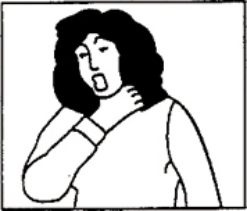
A) assume the patient is having throat pain and administer pain medication
B) prepare to perform the Heimlich maneuver
C) assess the patient for cyanosis, difficulty breathing, and stridor and wait until normal breathing resumes
D) sit with the patient until the laryngospasm passes and encourage deep breathing
A) assume the patient is having throat pain and administer pain medication
B) prepare to perform the Heimlich maneuver
C) assess the patient for cyanosis, difficulty breathing, and stridor and wait until normal breathing resumes
D) sit with the patient until the laryngospasm passes and encourage deep breathing
Question
Question
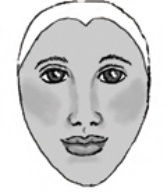
The nurse is assessing a patient's incision after an external sphenoethmoidectomy. Place an "X" on the area of the diagram where this incision would be located.
Question
Question
Question
Question
Question
Question
Question
Question
Question
Question
Question
Question
Question
Question
Question
Question
Question
Question
Question
Question
Question
Question
Question
Question
Question
Question

Unlock Deck
Sign up to unlock the cards in this deck!
Unlock Deck
Unlock Deck
1/40

Play

Full screen (f)
Deck 35: Nursing Care of Patients With Upper Respiratory Disorders
1
While engaging in a high school sports activity, an adolescent sustains an injury to the nose. Which assessment findings indicate that the patient has a nasal fracture?
A) shortness of breath
B) diaphoresis
C) drop in blood pressures
D) periorbital ecchymosis
E) nasal bridge instability
A) shortness of breath
B) diaphoresis
C) drop in blood pressures
D) periorbital ecchymosis
E) nasal bridge instability
periorbital ecchymosis
nasal bridge instability
nasal bridge instability
2
The nurse suspects that a patient has tonsillitis. What did the nurse assess to make this clinical decision?
A) hoarse voice
B) thirst
C) nucal rigidity
D) pain around the ears
E) low-grade fever
A) hoarse voice
B) thirst
C) nucal rigidity
D) pain around the ears
E) low-grade fever
hoarse voice
pain around the ears
low-grade fever
pain around the ears
low-grade fever
3
During an assessment, the nurse learns that the only thing that helps a patient with a daily morning headache is "using a vaporizer with eucalyptus" before breakfast. Which health problem should the nurse suspect the patient is experiencing?
A) acute rhinitis
B) allergic rhinitis
C) symptoms of sinusitis
D) after-effects from the flu
A) acute rhinitis
B) allergic rhinitis
C) symptoms of sinusitis
D) after-effects from the flu
symptoms of sinusitis
4
While recovering at home from a total laryngectomy, a patient notices an increase in left shoulder weakness. With what should the nurse realize this symptom is consistent?
A) normal recovery
B) damage to the spinal accessory nerve
C) side effect of neck radiation therapy
D) medication complication
A) normal recovery
B) damage to the spinal accessory nerve
C) side effect of neck radiation therapy
D) medication complication
Unlock Deck
Unlock for access to all 40 flashcards in this deck.
Unlock Deck
k this deck
5
A middle-aged adult patient who is diagnosed with pertussis is complaining of right-sided thoracic pain. The nurse recognizes that this patient should be assessed for which conditions?
A) pleural effusion
B) pneumothorax
C) pulmonary emboli
D) rib fractures
E) pleurisy
A) pleural effusion
B) pneumothorax
C) pulmonary emboli
D) rib fractures
E) pleurisy
Unlock Deck
Unlock for access to all 40 flashcards in this deck.
Unlock Deck
k this deck
6
A middle-aged patient is seen in the clinic for a continuing cough after recovering from the flu "a few weeks ago." What should the nurse suspect is occurring with this patient?
A) viral pneumonia
B) sinus infection
C) otitis media
D) tracheobronchitis
A) viral pneumonia
B) sinus infection
C) otitis media
D) tracheobronchitis
Unlock Deck
Unlock for access to all 40 flashcards in this deck.
Unlock Deck
k this deck
7
A female patient is seen for "increased hoarseness" and "a change in voice quality." What is an appropriate assessment question for the nurse to ask this patient?
A) "What medications are you currently taking?"
B) "Have you recently had a cold?"
C) "Have you recently visited another country?"
D) "What is your occupation?"
A) "What medications are you currently taking?"
B) "Have you recently had a cold?"
C) "Have you recently visited another country?"
D) "What is your occupation?"
Unlock Deck
Unlock for access to all 40 flashcards in this deck.
Unlock Deck
k this deck
8
A patient who was diagnosed with the flu is demonstrating rapid, shallow respirations. The nurse should be concerned that the patient is at risk for developing which condition?
A) atelectasis
B) pneumonia
C) dehydration
D) increased tidal volume
A) atelectasis
B) pneumonia
C) dehydration
D) increased tidal volume
Unlock Deck
Unlock for access to all 40 flashcards in this deck.
Unlock Deck
k this deck
9
The nurse is reviewing a patient's clinical record. Which teaching should the nurse identify as a priority for this patient?
A) Antibiotics should be taken as directed for 10 days.
B) The oral intake of warm liquids should be encouraged.
C) The diet can include toast, citrus juices, and pizza as preferred.
D) The patient should return to the clinic tomorrow for a flu immunization.
A) Antibiotics should be taken as directed for 10 days.
B) The oral intake of warm liquids should be encouraged.
C) The diet can include toast, citrus juices, and pizza as preferred.
D) The patient should return to the clinic tomorrow for a flu immunization.
Unlock Deck
Unlock for access to all 40 flashcards in this deck.
Unlock Deck
k this deck
10
A patient tells the nurse he has a "cold" every spring that lasts a few weeks. The nurse suspects that the patient is experiencing which condition?
A) acute viral rhinitis
B) allergic rhinitis
C) vasomotor rhinitis
D) atrophic rhinitis
A) acute viral rhinitis
B) allergic rhinitis
C) vasomotor rhinitis
D) atrophic rhinitis
Unlock Deck
Unlock for access to all 40 flashcards in this deck.
Unlock Deck
k this deck
11
A patient tells the nurse, "After I leave here, I need to get to the dentist. My upper teeth are hurting and I don't know why." What should the nurse do?
A) end the visit so the patient can get to the dentist
B) assess the patient for a sinus infection
C) reschedule the appointment
D) tell the patient there is nothing wrong with the teeth
A) end the visit so the patient can get to the dentist
B) assess the patient for a sinus infection
C) reschedule the appointment
D) tell the patient there is nothing wrong with the teeth
Unlock Deck
Unlock for access to all 40 flashcards in this deck.
Unlock Deck
k this deck
12
The nurse observes a patient using this gesture (see diagram). What should the nurse do?
A) assume the patient is having throat pain and administer pain medication
B) prepare to perform the Heimlich maneuver
C) assess the patient for cyanosis, difficulty breathing, and stridor and wait until normal breathing resumes
D) sit with the patient until the laryngospasm passes and encourage deep breathing
A) assume the patient is having throat pain and administer pain medication
B) prepare to perform the Heimlich maneuver
C) assess the patient for cyanosis, difficulty breathing, and stridor and wait until normal breathing resumes
D) sit with the patient until the laryngospasm passes and encourage deep breathing
Unlock Deck
Unlock for access to all 40 flashcards in this deck.
Unlock Deck
k this deck
13
A patient who is scheduled for a partial laryngectomy asks if he will still be able to talk after the surgery. Which response would be appropriate for the nurse to make?
A) "No."
B) "You will have to ask your physician."
C) "Yes, but it might sound a little different."
D) "You will, but with an electronic device."
E) "Normal speaking, breathing, and swallowing will return as you recover."
A) "No."
B) "You will have to ask your physician."
C) "Yes, but it might sound a little different."
D) "You will, but with an electronic device."
E) "Normal speaking, breathing, and swallowing will return as you recover."
Unlock Deck
Unlock for access to all 40 flashcards in this deck.
Unlock Deck
k this deck
14
The nurse is assessing a patient's incision after an external sphenoethmoidectomy. Place an "X" on the area of the diagram where this incision would be located.
Unlock Deck
Unlock for access to all 40 flashcards in this deck.
Unlock Deck
k this deck
15
A patient with laryngeal cancer is found to have carcinoma in situ. The nurse understands that this cancer is in which stage?
A) stage 0
B) stage I
C) stage II
D) stage III
A) stage 0
B) stage I
C) stage II
D) stage III
Unlock Deck
Unlock for access to all 40 flashcards in this deck.
Unlock Deck
k this deck
16
A patient is receiving anterior nasal packing for a nosebleed. What should be included in the instructions for this patient?
A) Remove the packing in the morning.
B) The packing will stay in place for at least 5 days.
C) The packing will be in place for at least 24 hours and up to 3 days.
D) The packing will be needed for at least 1 week.
A) Remove the packing in the morning.
B) The packing will stay in place for at least 5 days.
C) The packing will be in place for at least 24 hours and up to 3 days.
D) The packing will be needed for at least 1 week.
Unlock Deck
Unlock for access to all 40 flashcards in this deck.
Unlock Deck
k this deck
17
A patient says, "My nose is always congested and it just seems to get worse with the nasal spray I've been using." The nurse realizes that this patient is describing which manifestation?
A) incorrect use of the nasal spray
B) acute sinus infection that needs to be treated with antibiotics
C) adverse effect of the nasal spray
D) rebound nasal congestion
A) incorrect use of the nasal spray
B) acute sinus infection that needs to be treated with antibiotics
C) adverse effect of the nasal spray
D) rebound nasal congestion
Unlock Deck
Unlock for access to all 40 flashcards in this deck.
Unlock Deck
k this deck
18
The nurse observes a patient's respirations during sleep and notes the absence of respirations that lasts from 15 to 45 seconds. What should the nurse consider this patient is experiencing?
A) laryngeal spasm
B) sleep apnea
C) respiratory acidosis
D) renal failure
A) laryngeal spasm
B) sleep apnea
C) respiratory acidosis
D) renal failure
Unlock Deck
Unlock for access to all 40 flashcards in this deck.
Unlock Deck
k this deck
19
A patient with multiple facial and nasal injuries needs a nasogastric tube placed. Which method should the nurse use to place this tube?
A) through the mouth
B) through the unobstructed nare
C) through the obstructed nare
D) after the edema in the nares subsides
A) through the mouth
B) through the unobstructed nare
C) through the obstructed nare
D) after the edema in the nares subsides
Unlock Deck
Unlock for access to all 40 flashcards in this deck.
Unlock Deck
k this deck
20
While eating a meal in the hospital, a patient exhibits difficulty breathing and signs of choking. What should the nurse realize the patient is experiencing?
A) laryngeal obstruction
B) pulmonary emboli
C) epiglottitis
D) acute myocardial infarction
A) laryngeal obstruction
B) pulmonary emboli
C) epiglottitis
D) acute myocardial infarction
Unlock Deck
Unlock for access to all 40 flashcards in this deck.
Unlock Deck
k this deck
21
The public health nurse is preparing an education program on preventing laryngeal trauma and obstruction for community members. What should the nurse include in this program?
A) how to perform the Heimlich maneuver
B) the need to abstain from eating when ingesting alcohol
C) the need to carry a list of medications in a wallet at all times
D) the need to wear a medical alert bracelet if allergic to stinging insects
E) the need for people who wear dentures to take small bites when eating
A) how to perform the Heimlich maneuver
B) the need to abstain from eating when ingesting alcohol
C) the need to carry a list of medications in a wallet at all times
D) the need to wear a medical alert bracelet if allergic to stinging insects
E) the need for people who wear dentures to take small bites when eating
Unlock Deck
Unlock for access to all 40 flashcards in this deck.
Unlock Deck
k this deck
22
During a health history the nurse learns that a patient experiences several head colds each year. What teaching should the nurse consider providing to this patient?
A) Limit physical stress.
B) Avoid getting chilled.
C) Stay away from crowds.
D) Stay indoors when it rains.
E) Frequently wash the hands.
A) Limit physical stress.
B) Avoid getting chilled.
C) Stay away from crowds.
D) Stay indoors when it rains.
E) Frequently wash the hands.
Unlock Deck
Unlock for access to all 40 flashcards in this deck.
Unlock Deck
k this deck
23
The community health nurse learns that an adult community member has been diagnosed with diphtheria. What should the nurse do to prevent the spread of this infection?
A) provide the Tdap vaccine as prescribed
B) instruct the patient to ingest milk and dairy products
C) obtain throat cultures from the patient's close contacts
D) ensure the patient's diagnosis has been reported to the local health department
E) counsel the patient's family members to take antibiotics for 3 days as prescribed
A) provide the Tdap vaccine as prescribed
B) instruct the patient to ingest milk and dairy products
C) obtain throat cultures from the patient's close contacts
D) ensure the patient's diagnosis has been reported to the local health department
E) counsel the patient's family members to take antibiotics for 3 days as prescribed
Unlock Deck
Unlock for access to all 40 flashcards in this deck.
Unlock Deck
k this deck
24
The nurse is caring for patients who have been exposed to the influenza virus. For which patients should the nurse recognize that the antiviral drug zanamivir (Relenza) would be contraindicated?
A) patient with arthritis
B) patient with heart failure
C) patient diagnosed with COPD
D) patient being treated for asthma
E) patient with type 2 diabetes mellitus
A) patient with arthritis
B) patient with heart failure
C) patient diagnosed with COPD
D) patient being treated for asthma
E) patient with type 2 diabetes mellitus
Unlock Deck
Unlock for access to all 40 flashcards in this deck.
Unlock Deck
k this deck
25
During an assessment the nurse is concerned that a patient is at risk for developing laryngeal cancer. What did the nurse assess to make this clinical decision?
A) The patient works in a steel mill.
B) The patient is a 68-year-old African American male.
C) The patient smokes two packs of cigarettes a day.
D) The patient eats a salad every night with dinner.
E) The patient drinks beer and whiskey every night.
A) The patient works in a steel mill.
B) The patient is a 68-year-old African American male.
C) The patient smokes two packs of cigarettes a day.
D) The patient eats a salad every night with dinner.
E) The patient drinks beer and whiskey every night.
Unlock Deck
Unlock for access to all 40 flashcards in this deck.
Unlock Deck
k this deck
26
The nurse is preparing discharge instructions for a patient recovering from a rhinoplasty. What should the nurse include in these instructions?
A) Apply ice to the nose.
B) Restrict oral fluid intake.
C) Avoid vigorous coughing.
D) Elevate the head of the bed on blocks.
E) Expect eye bruising for several weeks.
A) Apply ice to the nose.
B) Restrict oral fluid intake.
C) Avoid vigorous coughing.
D) Elevate the head of the bed on blocks.
E) Expect eye bruising for several weeks.
Unlock Deck
Unlock for access to all 40 flashcards in this deck.
Unlock Deck
k this deck
27
During a health history the nurse suspects that a patient may be experiencing sleep apnea. What findings led the nurse to make this clinical decision?
A) The patient is yawning.
B) Blood pressure is 188/92 mmHg.
C) The patient reports having a headache every morning.
D) The patient reports a change in appetite and a 10 lb weight loss in 2 months.
E) The patient says family members complain about her snoring.
A) The patient is yawning.
B) Blood pressure is 188/92 mmHg.
C) The patient reports having a headache every morning.
D) The patient reports a change in appetite and a 10 lb weight loss in 2 months.
E) The patient says family members complain about her snoring.
Unlock Deck
Unlock for access to all 40 flashcards in this deck.
Unlock Deck
k this deck
28
The nurse caring for an older patient with influenza emphasizes the importance of drinking plenty of fluids and getting adequate rest to prevent the development of complications. What physiological changes is the nurse most concerned about in this patient?
A) reduced thirst reflex
B) altered hypothalamic response
C) increased residual lung volume
D) reduced effectiveness of cough
E) muted chemoreceptors in the aortic arch
A) reduced thirst reflex
B) altered hypothalamic response
C) increased residual lung volume
D) reduced effectiveness of cough
E) muted chemoreceptors in the aortic arch
Unlock Deck
Unlock for access to all 40 flashcards in this deck.
Unlock Deck
k this deck
29
The nurse is planning care for a patient with viral laryngitis. What should the nurse include when teaching the patient about care for this condition?
A) Avoid all tobacco.
B) Do not use the voice.
C) Avoid ingesting alcohol.
D) Take all antibiotics as prescribed.
E) Spray the throat with antiseptic solution as prescribed.
A) Avoid all tobacco.
B) Do not use the voice.
C) Avoid ingesting alcohol.
D) Take all antibiotics as prescribed.
E) Spray the throat with antiseptic solution as prescribed.
Unlock Deck
Unlock for access to all 40 flashcards in this deck.
Unlock Deck
k this deck
30
A patient with an ongoing sinus infection is admitted for treatment. In addition to antibiotics, which treatments should the nurse expect to be prescribed for this patient?
A) topical steroids
B) saline nose drops
C) saltwater gargles
D) oral decongestants
E) warm steam inhalation
A) topical steroids
B) saline nose drops
C) saltwater gargles
D) oral decongestants
E) warm steam inhalation
Unlock Deck
Unlock for access to all 40 flashcards in this deck.
Unlock Deck
k this deck
31
A patient is prescribed fexofenadine (Allegra) for allergic rhinitis. For which reasons in the patient's medical history should the nurse question providing the medication to this patient?
A) history of asthma
B) treatment for glaucoma
C) type 2 diabetes mellitus controlled by diet
D) medication for benign prostatic hypertrophy
E) over-the-counter pain medication for arthritis
A) history of asthma
B) treatment for glaucoma
C) type 2 diabetes mellitus controlled by diet
D) medication for benign prostatic hypertrophy
E) over-the-counter pain medication for arthritis
Unlock Deck
Unlock for access to all 40 flashcards in this deck.
Unlock Deck
k this deck
32
A patient with a penicillin allergy is diagnosed with scarlet fever. Which medications should the nurse anticipate being prescribed for this patient?
A) amoxicillin
B) cefuroxime
C) erythromycin
D) dexamethasone
E) pseudoephedrine
A) amoxicillin
B) cefuroxime
C) erythromycin
D) dexamethasone
E) pseudoephedrine
Unlock Deck
Unlock for access to all 40 flashcards in this deck.
Unlock Deck
k this deck
33
A patient comes to the community clinic seeking help for a nosebleed. Which actions should the nurse take to help this patient?
A) pinch the nose towards the septum
B) apply ice to the nose and forehead
C) place the patient in a seated position
D) insert rolled gauze pads into each nare
E) assist the patient to lean back when seated
A) pinch the nose towards the septum
B) apply ice to the nose and forehead
C) place the patient in a seated position
D) insert rolled gauze pads into each nare
E) assist the patient to lean back when seated
Unlock Deck
Unlock for access to all 40 flashcards in this deck.
Unlock Deck
k this deck
34
A patient with chronic sinus infections is scheduled for the Caldwell-Luc procedure. What should the nurse include when teaching the patient about this procedure?
A) Dentures should be inserted immediately after the surgery.
B) Avoid the Valsalva maneuver for 2 weeks after the surgery.
C) Packing will be present for 24 to 48 hours after the procedure.
D) A liquid diet will be permitted for the first day after the surgery.
E) The upper lip and teeth may be numb for several months after the surgery.
A) Dentures should be inserted immediately after the surgery.
B) Avoid the Valsalva maneuver for 2 weeks after the surgery.
C) Packing will be present for 24 to 48 hours after the procedure.
D) A liquid diet will be permitted for the first day after the surgery.
E) The upper lip and teeth may be numb for several months after the surgery.
Unlock Deck
Unlock for access to all 40 flashcards in this deck.
Unlock Deck
k this deck
35
A patient avoids people with obvious colds and does not understand why she continues to develop colds throughout the winter. What should the nurse respond to this patient?
A) Vaccinations would prevent the development of colds.
B) There are more than 200 strains of viruses that cause colds.
C) People can be infected with a virus before symptoms occur.
D) Drinking more fluids will prevent the development of colds.
E) Viruses can be spread through direct contact from contaminated objects.
A) Vaccinations would prevent the development of colds.
B) There are more than 200 strains of viruses that cause colds.
C) People can be infected with a virus before symptoms occur.
D) Drinking more fluids will prevent the development of colds.
E) Viruses can be spread through direct contact from contaminated objects.
Unlock Deck
Unlock for access to all 40 flashcards in this deck.
Unlock Deck
k this deck
36
A patient's nasopharyngeal culture results are positive for B. pertussis. What actions should the nurse take for this patient?
A) restrict fluids
B) monitor intake and output
C) place in respiratory isolation
D) administer erythromycin as prescribed
E) report the test results to the local health department
A) restrict fluids
B) monitor intake and output
C) place in respiratory isolation
D) administer erythromycin as prescribed
E) report the test results to the local health department
Unlock Deck
Unlock for access to all 40 flashcards in this deck.
Unlock Deck
k this deck
37
A patient with nasal trauma has clear, watery fluid dripping from the nose. After testing, the nurse learns this fluid contains glucose. What should this finding indicate to the nurse?
A) There is a fracture of the ethmoid or sphenoid sinus.
B) The patient needs to be suctioned.
C) Cerebrospinal fluid is present.
D) The patient has coryza.
A) There is a fracture of the ethmoid or sphenoid sinus.
B) The patient needs to be suctioned.
C) Cerebrospinal fluid is present.
D) The patient has coryza.
Unlock Deck
Unlock for access to all 40 flashcards in this deck.
Unlock Deck
k this deck
38
A patient recovering from a total laryngectomy and permanent tracheostomy is being discharged. What observations indicate that discharge teaching has been effective?
A) The patient supports the head when moving in bed.
B) The patient drinks cool fluids throughout the day.
C) The patient is eager to go to the pool to go swimming.
D) The patient places a gauze sponge around the gastrostomy tube.
E) The patient covers the tracheostomy with a light gauze sponge.
A) The patient supports the head when moving in bed.
B) The patient drinks cool fluids throughout the day.
C) The patient is eager to go to the pool to go swimming.
D) The patient places a gauze sponge around the gastrostomy tube.
E) The patient covers the tracheostomy with a light gauze sponge.
Unlock Deck
Unlock for access to all 40 flashcards in this deck.
Unlock Deck
k this deck
39
A hospitalized patient is diagnosed with influenza. What actions should the nurse take to help this patient?
A) assign the patient to a private room
B) implement droplet precautions
C) wear a mask when caring for the patient
D) measure the patient for a HEPA filter face mask
E) apply a mask to the patient when transporting the patient out of the room
A) assign the patient to a private room
B) implement droplet precautions
C) wear a mask when caring for the patient
D) measure the patient for a HEPA filter face mask
E) apply a mask to the patient when transporting the patient out of the room
Unlock Deck
Unlock for access to all 40 flashcards in this deck.
Unlock Deck
k this deck
40
The nurse provides discharge instructions to a patient recovering from endoscopic sinus surgery. Which patient statements indicate that teaching has been effective?
A) "I need to sneeze with my mouth open."
B) "I should avoid heavy lifting for a week."
C) "I am to avoid blowing my nose for a week."
D) "I am to irrigate the sinuses with normal saline."
E) "The nasal packing will be removed in 2 days."
A) "I need to sneeze with my mouth open."
B) "I should avoid heavy lifting for a week."
C) "I am to avoid blowing my nose for a week."
D) "I am to irrigate the sinuses with normal saline."
E) "The nasal packing will be removed in 2 days."
Unlock Deck
Unlock for access to all 40 flashcards in this deck.
Unlock Deck
k this deck
Unlock Deck
Unlock for access to all 40 flashcards in this deck.







