





 Chat with AI

Deck 12: Stress Health and Coping
Full screen (f)

Question

Question
Question
This picture shows the sweet, innocent princess with her wicked stepmother who is disguised as an old, ugly woman in this scene from the movie Enchanted. This picture is used to illustrate aculturally conditioned bias called: 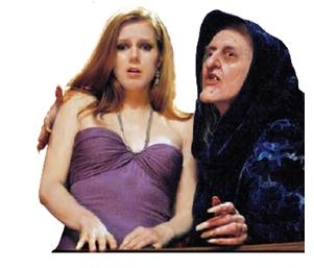
A)the ―feel good, do good‖ effect.
B)ethnocentrism.
C)the ―what is beautiful is good‖ effect.
D)the stereotype threat.
A)the ―feel good, do good‖ effect.
B)ethnocentrism.
C)the ―what is beautiful is good‖ effect.
D)the stereotype threat.
Question
Question
What does this photo show? 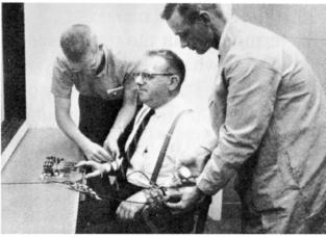
A)The man in the middle is having monitors attached to measure his heart rate, pulse rate, and blood pressure as part of Sherif's Robbers Cave experiment.
B)A participant is being fitted with a bulky, concealed microphone in Latané and Darley's studies of helping behavior.
C)The man in the middle is being strapped to the ―electric chair‖ as part of Milgram's obedience studies
D)This is a movie scene involving an interrogation using electric shock that was watched by participants in Zimbardo's famous Stanford Prison Experiment.
A)The man in the middle is having monitors attached to measure his heart rate, pulse rate, and blood pressure as part of Sherif's Robbers Cave experiment.
B)A participant is being fitted with a bulky, concealed microphone in Latané and Darley's studies of helping behavior.
C)The man in the middle is being strapped to the ―electric chair‖ as part of Milgram's obedience studies
D)This is a movie scene involving an interrogation using electric shock that was watched by participants in Zimbardo's famous Stanford Prison Experiment.
Question
This photo shows adolescents who are wearing similar clothes and are behaving in a similar fashion. What is this tendency toadjust one's behavior or attitude to group norms called? 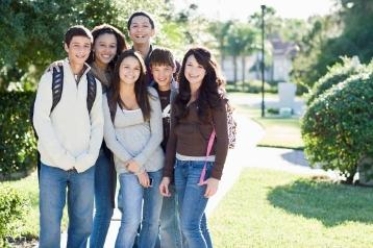
A)prosocial behavior
B)conformity
C)altruism
D)ethnocentrism
A)prosocial behavior
B)conformity
C)altruism
D)ethnocentrism
Question
Question
This picture shows a bicycle accident. The cyclist who has had the mishap is likely to blame the incident on external factors,such as having to swerve to avoid a pothole, rather than oninternal factors, such as his own carelessness or inattention. This tendency to distance ourselves from our failures is called: 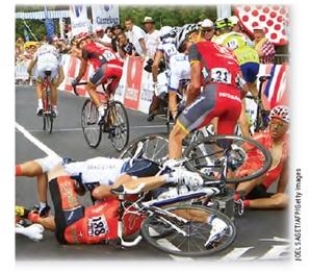
A)the self-effacing bias.
B)hindsight bias.
C)prosocial behavior.
D)the self-serving bias.
A)the self-effacing bias.
B)hindsight bias.
C)prosocial behavior.
D)the self-serving bias.
Question
Question
Question
Question
What does this photo show? 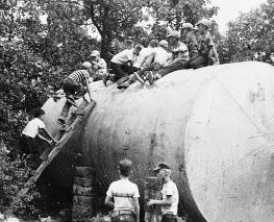
A)an activity in the classic study of conformity in children by psychologist Solomon Asch and his colleagues
B)two rival groups of boys working in a cooperative effort as part of Muzafer Sherif's Robbers Cave experiment
C)one of the situations used to investigate the ―bystander effect‖ by psychologists Bibb Latané and John Darley
D)one of the conditions in Phil Zimbardo's Stanford Prison Experiment where the boys on the water tank are being punished for failing to follow the orders of older boys who played the role of ―guards‖
A)an activity in the classic study of conformity in children by psychologist Solomon Asch and his colleagues
B)two rival groups of boys working in a cooperative effort as part of Muzafer Sherif's Robbers Cave experiment
C)one of the situations used to investigate the ―bystander effect‖ by psychologists Bibb Latané and John Darley
D)one of the conditions in Phil Zimbardo's Stanford Prison Experiment where the boys on the water tank are being punished for failing to follow the orders of older boys who played the role of ―guards‖
Question
Question
Question
Question
Who is this person and for what is he famous? 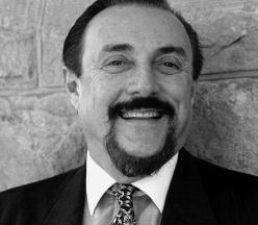
A)psychologist Stanley Milgram, who studied the factors that influence destructive obedience
B)psychologist Philip Zimbardo who is known for his research on social influence and the Stanford Prison Experiment
C)Answ psychoer )Cologirrecst Solt omon Asch, who is best known for his pioneering studies of conformity
D)psychologist Muzafer Sherif, who conducted the famous Robbers Cave experiment
A)psychologist Stanley Milgram, who studied the factors that influence destructive obedience
B)psychologist Philip Zimbardo who is known for his research on social influence and the Stanford Prison Experiment
C)Answ psychoer )Cologirrecst Solt omon Asch, who is best known for his pioneering studies of conformity
D)psychologist Muzafer Sherif, who conducted the famous Robbers Cave experiment
Question
This picture shows a volunteer for "Meals on Wheels," who delivers meals to about 65 elderly residents each week and also checks to make sure they are safe and healthy. Volunteers likethis one give their time and energy freely to help others. What social psychology concept is illustrated here? 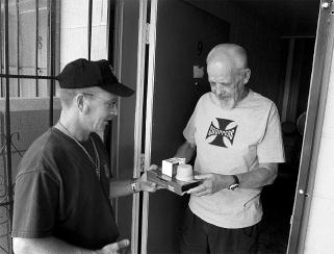
A)the ―feel good, do good‖ effect
B)bystander intervention
C)prosocial behavior
D)conformity
A)the ―feel good, do good‖ effect
B)bystander intervention
C)prosocial behavior
D)conformity
Question
Question
Question
Question
Question
Question
Question
Question
Question
Question
Question
Question
Question
Question
Question
Question
Question
Question
Question
Question
Question
Question
Question
Question
Question
Question
Question
Question
Question
Question
Question
Question
Question
Question
Question
Question
Question
Question
Question
Question
Question
Question
Question
Question
Question
Question
Question
Question
Question
Question
Question
Question
Question
Question
Question
Question
Question
Question
Question
Question
Question
Question
Question

Unlock Deck
Sign up to unlock the cards in this deck!
Unlock Deck
Unlock Deck
1/347

Play

Full screen (f)
Deck 12: Stress Health and Coping
1
Dr. Strayer investigates the mental processes we use to make sense of our social environment and form judgments about the characteristics and motives of other people. Dr. Strayer is mostlikely a(n) _____ psychologist.
A)evolutionary
B)clinical
C)social
D)cognitive
A)evolutionary
B)clinical
C)social
D)cognitive
social
2
Dr. Krane studies questions such as why we conform to group norms, what compels us to obey authority figures, and the conditions under which people will help a stranger. Dr. Krane'sresearch focuses on an area of social psychology called:
A)social cognition.
B)social perception.
C)social influence.
D)ethnocentrism.
A)social cognition.
B)social perception.
C)social influence.
D)ethnocentrism.
social influence.
3
This picture shows the sweet, innocent princess with her wicked stepmother who is disguised as an old, ugly woman in this scene from the movie Enchanted. This picture is used to illustrate aculturally conditioned bias called:
A)the ―feel good, do good‖ effect.
B)ethnocentrism.
C)the ―what is beautiful is good‖ effect.
D)the stereotype threat.
A)the ―feel good, do good‖ effect.
B)ethnocentrism.
C)the ―what is beautiful is good‖ effect.
D)the stereotype threat.
the ―what is beautiful is good‖ effect.
4
According to your textbook, an important social psychology concept is your sense of self, which involves:
A)deliberate, conscious mental processes that enable you to perceive, judge, decide, and reason.
B)your sense of identity that has been influenced by social, cultural, and psychological experiences.
C)automatic, unconscious mental processes that influence how you perceive, judge, decide, and reason.
D)you as a social being in an interpersonal context that influences the cognitive, behavioral, and affective components of your attitudes and values.
A)deliberate, conscious mental processes that enable you to perceive, judge, decide, and reason.
B)your sense of identity that has been influenced by social, cultural, and psychological experiences.
C)automatic, unconscious mental processes that influence how you perceive, judge, decide, and reason.
D)you as a social being in an interpersonal context that influences the cognitive, behavioral, and affective components of your attitudes and values.
Unlock Deck
Unlock for access to all 347 flashcards in this deck.
Unlock Deck
k this deck
5
What does this photo show?
A)The man in the middle is having monitors attached to measure his heart rate, pulse rate, and blood pressure as part of Sherif's Robbers Cave experiment.
B)A participant is being fitted with a bulky, concealed microphone in Latané and Darley's studies of helping behavior.
C)The man in the middle is being strapped to the ―electric chair‖ as part of Milgram's obedience studies
D)This is a movie scene involving an interrogation using electric shock that was watched by participants in Zimbardo's famous Stanford Prison Experiment.
A)The man in the middle is having monitors attached to measure his heart rate, pulse rate, and blood pressure as part of Sherif's Robbers Cave experiment.
B)A participant is being fitted with a bulky, concealed microphone in Latané and Darley's studies of helping behavior.
C)The man in the middle is being strapped to the ―electric chair‖ as part of Milgram's obedience studies
D)This is a movie scene involving an interrogation using electric shock that was watched by participants in Zimbardo's famous Stanford Prison Experiment.
Unlock Deck
Unlock for access to all 347 flashcards in this deck.
Unlock Deck
k this deck
6
This photo shows adolescents who are wearing similar clothes and are behaving in a similar fashion. What is this tendency toadjust one's behavior or attitude to group norms called?
A)prosocial behavior
B)conformity
C)altruism
D)ethnocentrism
A)prosocial behavior
B)conformity
C)altruism
D)ethnocentrism
Unlock Deck
Unlock for access to all 347 flashcards in this deck.
Unlock Deck
k this deck
7
_____ is to how we interpret the meaning of other people's behavior as _____ is to how our behavior is affected by situational factors and other people.
A)Social influence; social cognition
B)Normative social influence; informational social influence
C)Social cognition; social influence
D)Informational social influence; normative social influence
A)Social influence; social cognition
B)Normative social influence; informational social influence
C)Social cognition; social influence
D)Informational social influence; normative social influence
Unlock Deck
Unlock for access to all 347 flashcards in this deck.
Unlock Deck
k this deck
8
This picture shows a bicycle accident. The cyclist who has had the mishap is likely to blame the incident on external factors,such as having to swerve to avoid a pothole, rather than oninternal factors, such as his own carelessness or inattention. This tendency to distance ourselves from our failures is called:
A)the self-effacing bias.
B)hindsight bias.
C)prosocial behavior.
D)the self-serving bias.
A)the self-effacing bias.
B)hindsight bias.
C)prosocial behavior.
D)the self-serving bias.
Unlock Deck
Unlock for access to all 347 flashcards in this deck.
Unlock Deck
k this deck
9
An important social psychology concept is your sense of _____,which is an individual's unique sense of identity that has been influenced by social, cultural, and psychological experiences.
A)self
B)reciprocity
C)direction
D)humor
A)self
B)reciprocity
C)direction
D)humor
Unlock Deck
Unlock for access to all 347 flashcards in this deck.
Unlock Deck
k this deck
10
The perspective in psychology that is based on the premise that certain psychological processes and behavioral patterns evolved over hundreds of thousands of years because of their adaptiveand survival value is called:
A)personality psychology.
B)social psychology.
C)cognitive psychology.
D)evolutionary psychology.
A)personality psychology.
B)social psychology.
C)cognitive psychology.
D)evolutionary psychology.
Unlock Deck
Unlock for access to all 347 flashcards in this deck.
Unlock Deck
k this deck
11
Pamela observes that people don't sit next to strangers on the subway when there are empty seats available. She notices this also happens on the bus, in the movie theater, and in thecafeteria. Pamela's observations suggest that people's behaviorin these situations is governed by:
A)social norms.
B)stereotypes.
C)prejudice.
D)the rule of reciprocity.
A)social norms.
B)stereotypes.
C)prejudice.
D)the rule of reciprocity.
Unlock Deck
Unlock for access to all 347 flashcards in this deck.
Unlock Deck
k this deck
12
What does this photo show?
A)an activity in the classic study of conformity in children by psychologist Solomon Asch and his colleagues
B)two rival groups of boys working in a cooperative effort as part of Muzafer Sherif's Robbers Cave experiment
C)one of the situations used to investigate the ―bystander effect‖ by psychologists Bibb Latané and John Darley
D)one of the conditions in Phil Zimbardo's Stanford Prison Experiment where the boys on the water tank are being punished for failing to follow the orders of older boys who played the role of ―guards‖
A)an activity in the classic study of conformity in children by psychologist Solomon Asch and his colleagues
B)two rival groups of boys working in a cooperative effort as part of Muzafer Sherif's Robbers Cave experiment
C)one of the situations used to investigate the ―bystander effect‖ by psychologists Bibb Latané and John Darley
D)one of the conditions in Phil Zimbardo's Stanford Prison Experiment where the boys on the water tank are being punished for failing to follow the orders of older boys who played the role of ―guards‖
Unlock Deck
Unlock for access to all 347 flashcards in this deck.
Unlock Deck
k this deck
13
Social psychology is a branch of psychology that focuses on abroad range of topics. According to your textbook, the two key research areas in social psychology are:
A)implicit cognition and explicit cognition.
B)social cognition and social influence.
C)concerned with the rule of reciprocity and the rule of commitment.
D)ethnocentrism and altruism.
A)implicit cognition and explicit cognition.
B)social cognition and social influence.
C)concerned with the rule of reciprocity and the rule of commitment.
D)ethnocentrism and altruism.
Unlock Deck
Unlock for access to all 347 flashcards in this deck.
Unlock Deck
k this deck
14
Person perception follows some basic principles. Which of the following is NOT one of them?
A)Your self-perception influences how you perceive others and how you act on your perceptions.
B)Your goals in a particular situation determine the amount and kind of information you collect about others.
C)Your reactions to others are not determined by your perceptions of them, but rather by who, or what, they really are.
D)In every situation you evaluate people partly in terms of how you expect them to act in that situation.
A)Your self-perception influences how you perceive others and how you act on your perceptions.
B)Your goals in a particular situation determine the amount and kind of information you collect about others.
C)Your reactions to others are not determined by your perceptions of them, but rather by who, or what, they really are.
D)In every situation you evaluate people partly in terms of how you expect them to act in that situation.
Unlock Deck
Unlock for access to all 347 flashcards in this deck.
Unlock Deck
k this deck
15
The branch of psychology that studies how a person's thoughts,feelings, and behavior are influenced by the presence of other people and by the social and physical environment is called:
A)cognitive psychology.
B)personality psychology.
C)evolutionary psychology.
D)social psychology.
A)cognitive psychology.
B)personality psychology.
C)evolutionary psychology.
D)social psychology.
Unlock Deck
Unlock for access to all 347 flashcards in this deck.
Unlock Deck
k this deck
16
Who is this person and for what is he famous?
A)psychologist Stanley Milgram, who studied the factors that influence destructive obedience
B)psychologist Philip Zimbardo who is known for his research on social influence and the Stanford Prison Experiment
C)Answ psychoer )Cologirrecst Solt omon Asch, who is best known for his pioneering studies of conformity
D)psychologist Muzafer Sherif, who conducted the famous Robbers Cave experiment
A)psychologist Stanley Milgram, who studied the factors that influence destructive obedience
B)psychologist Philip Zimbardo who is known for his research on social influence and the Stanford Prison Experiment
C)Answ psychoer )Cologirrecst Solt omon Asch, who is best known for his pioneering studies of conformity
D)psychologist Muzafer Sherif, who conducted the famous Robbers Cave experiment
Unlock Deck
Unlock for access to all 347 flashcards in this deck.
Unlock Deck
k this deck
17
This picture shows a volunteer for "Meals on Wheels," who delivers meals to about 65 elderly residents each week and also checks to make sure they are safe and healthy. Volunteers likethis one give their time and energy freely to help others. What social psychology concept is illustrated here?
A)the ―feel good, do good‖ effect
B)bystander intervention
C)prosocial behavior
D)conformity
A)the ―feel good, do good‖ effect
B)bystander intervention
C)prosocial behavior
D)conformity
Unlock Deck
Unlock for access to all 347 flashcards in this deck.
Unlock Deck
k this deck
18
According to your textbook, _____ is an area of social psychology that studies the effect of situational factors and other people on an individual's behavior.
A)social influence
B)social categorization
C)social cognition
D)explicit cognition
A)social influence
B)social categorization
C)social cognition
D)explicit cognition
Unlock Deck
Unlock for access to all 347 flashcards in this deck.
Unlock Deck
k this deck
19
The "rules," or expectations, for appropriate behavior in aparticular social situation are called:
A)the rules of commitment.
B)interpersonal context rules.
C)social norms.
D)the rules of reciprocity.
A)the rules of commitment.
B)interpersonal context rules.
C)social norms.
D)the rules of reciprocity.
Unlock Deck
Unlock for access to all 347 flashcards in this deck.
Unlock Deck
k this deck
20
The study of the mental processes people use to make sense oftheir social environment is called:
A)social cognition.
B)prosocial behavior.
C)social influence.
D)social categorization.
A)social cognition.
B)prosocial behavior.
C)social influence.
D)social categorization.
Unlock Deck
Unlock for access to all 347 flashcards in this deck.
Unlock Deck
k this deck
21
A(n) _____ is defined as a network of assumptions or beliefs about the relationships among various types of people, traits,and behaviors.
A)implicit personality theory
B)explicit cognition
C)implicit cognition
D)reciprocity rule
A)implicit personality theory
B)explicit cognition
C)implicit cognition
D)reciprocity rule
Unlock Deck
Unlock for access to all 347 flashcards in this deck.
Unlock Deck
k this deck
22
After Michael studied the chapter on social psychology, he decided to try an experiment. He wanted to see how people on ahalf-empty bus would react if he politely asked someone to moveso he could have a particular seat. But when Michael boarded the bus, he found he was just too embarrassed to carry out his experiment. Michael's behavior appears to be governed by:
A)the rule of reciprocity.
B)social norms.
C)the rule of commitment.
D)diffusion of responsibility.
A)the rule of reciprocity.
B)social norms.
C)the rule of commitment.
D)diffusion of responsibility.
Unlock Deck
Unlock for access to all 347 flashcards in this deck.
Unlock Deck
k this deck
23
In relation to factors that influence perceptions, deliberate,conscious mental processes are to _____ as automatic,nonconscious mental processes are to _____.
A)the self-serving bias; the self-effacing bias
B)explicit cognition; implicit cognition
C)the self-effacing bias; the self-serving bias
D)implicit cognition; explicit cognition
A)the self-serving bias; the self-effacing bias
B)explicit cognition; implicit cognition
C)the self-effacing bias; the self-serving bias
D)implicit cognition; explicit cognition
Unlock Deck
Unlock for access to all 347 flashcards in this deck.
Unlock Deck
k this deck
24
The automatic, nonconscious mental processes that influence perceptions, judgments, decisions, and reasoning are called:
A)implicit cognition.
B)schemas.
C)explicit cognition.
D)attributions.
A)implicit cognition.
B)schemas.
C)explicit cognition.
D)attributions.
Unlock Deck
Unlock for access to all 347 flashcards in this deck.
Unlock Deck
k this deck
25
Physical attractiveness is:
A)not correlated with any other characteristics.
B)correlated with intelligence, happiness, and self-esteem.
C)highly correlated with social competence, assertiveness, and intelligence.
D)not correlated with intelligence, mental health, or self- esteem.
A)not correlated with any other characteristics.
B)correlated with intelligence, happiness, and self-esteem.
C)highly correlated with social competence, assertiveness, and intelligence.
D)not correlated with intelligence, mental health, or self- esteem.
Unlock Deck
Unlock for access to all 347 flashcards in this deck.
Unlock Deck
k this deck
26
When Jason looked at his professor on the first day of class he thought that she was well-dressed, about 35 or 36 years old,probably married with a couple of kids, and would be too busy with her research to post regular office hours. Jason is _____ incategorizing his professor.
A)using implicit cognition
B)engaged in the stereotype threat
C)using explicit cognition
D)using his orbital frontal lobes and amygdala
A)using implicit cognition
B)engaged in the stereotype threat
C)using explicit cognition
D)using his orbital frontal lobes and amygdala
Unlock Deck
Unlock for access to all 347 flashcards in this deck.
Unlock Deck
k this deck
27
After 20 minutes of waiting outside the baggage claim area fo ryour friend to pick you up, you decide to go inside the air portterminal and phone her. Standing a short distance from you is akind-looking older woman. "Would you mind watching my luggage so I can go make a quick phone call?" you ask politely."I'd be happy to watch it for you," she replies, "my ride is not coming for another half-hour." When you return less than five minutes later, the old lady and your luggage (including your laptop) are gone. This example illustrates one of the problems associated with:
A)the "feel good, do good" effect.
B)the rule of reciprocity.
C)an implicit personality theory.
D)ethnocentrism.
A)the "feel good, do good" effect.
B)the rule of reciprocity.
C)an implicit personality theory.
D)ethnocentrism.
Unlock Deck
Unlock for access to all 347 flashcards in this deck.
Unlock Deck
k this deck
28
Which of the following is a basic principle involved in person perception?
A)Your reactions to others are determined by your perception of them, not by who or what they ―really‖ are.
B)In every situation, you evaluate people partly in terms of how you expect them to react in that situation.
C)Your self-perception influences how you perceive others and how you act on your perceptions.
D)All of these are involved in person perception
A)Your reactions to others are determined by your perception of them, not by who or what they ―really‖ are.
B)In every situation, you evaluate people partly in terms of how you expect them to react in that situation.
C)Your self-perception influences how you perceive others and how you act on your perceptions.
D)All of these are involved in person perception
Unlock Deck
Unlock for access to all 347 flashcards in this deck.
Unlock Deck
k this deck
29
The mental frame works we hold about traits and behaviors associated with different types of people are called:
A)social norms.
B)explicit cognition.
C)schemas.
D)self-serving biases.
A)social norms.
B)explicit cognition.
C)schemas.
D)self-serving biases.
Unlock Deck
Unlock for access to all 347 flashcards in this deck.
Unlock Deck
k this deck
30
Person perception is an active, interactive, and subjective process that always occurs in some interpersonal context. Which of the following is NOT one of the key components that influence that process?
A)the characteristics of the individual you are attempting to size up
B)your own self-perception and goals
C)the specific situation in which the process occurs
D)the rule of reciprocity
A)the characteristics of the individual you are attempting to size up
B)your own self-perception and goals
C)the specific situation in which the process occurs
D)the rule of reciprocity
Unlock Deck
Unlock for access to all 347 flashcards in this deck.
Unlock Deck
k this deck
31
Tammy loved the movie Enchanted and thought that the wicked stepmother was ugly and evil and that the lovely princess was innocent and virtuous. Because of cultural conditioning it is likely that Tammy is using _____ called _____.
A)an explicit cognition; the "feel good, do good" effect
B)an implicit personality theory; "what is beautiful is good"
C)a form of social categorization; the stereotype threat
D)a schema; the "that's not all" effect
A)an explicit cognition; the "feel good, do good" effect
B)an implicit personality theory; "what is beautiful is good"
C)a form of social categorization; the stereotype threat
D)a schema; the "that's not all" effect
Unlock Deck
Unlock for access to all 347 flashcards in this deck.
Unlock Deck
k this deck
32
When Raphael was in the elevator, he couldn't help but notice aman and a woman in conversation. He decided that the woman in the suit was probably a college administrator and the gray-haired man in the glasses was probably a professor. Raphael was engaged in a process called:
A)implicit cognition.
B)hindsight bias.
C)the bystander effect.
D)social categorization.
A)implicit cognition.
B)hindsight bias.
C)the bystander effect.
D)social categorization.
Unlock Deck
Unlock for access to all 347 flashcards in this deck.
Unlock Deck
k this deck
33
The bus is fairly crowded when you get on. You make a rapid evaluation and quickly decide to sit next to a well-dressed seniorcitizen because you think that it will be safer to sit next to himthan some of the other people on the bus. This example illustrates:
A)the effect of ethnocentrism.
B)a typical response to the stereotype threat.
C)the bystander effect.
D)the process of person perception.
A)the effect of ethnocentrism.
B)a typical response to the stereotype threat.
C)the bystander effect.
D)the process of person perception.
Unlock Deck
Unlock for access to all 347 flashcards in this deck.
Unlock Deck
k this deck
34
The term schemas refers to:
A)the automatic, nonconscious mental processes that influence perceptions, judgments, decisions, and reasoning.
B)the tendency to overestimate one's ability to have foreseen or predicted the outcome of an event.
C)the deliberate, conscious mental processes involved in perceptions, judgments, decisions, and reasoning.
D)the mental frameworks we hold about traits and behaviors associated with different types of people.
A)the automatic, nonconscious mental processes that influence perceptions, judgments, decisions, and reasoning.
B)the tendency to overestimate one's ability to have foreseen or predicted the outcome of an event.
C)the deliberate, conscious mental processes involved in perceptions, judgments, decisions, and reasoning.
D)the mental frameworks we hold about traits and behaviors associated with different types of people.
Unlock Deck
Unlock for access to all 347 flashcards in this deck.
Unlock Deck
k this deck
35
Sanda makes a conscious, deliberate decision about each of hernew clients based on her perception of their overall appearance,how well they are dressed, how old they are, what gender they are, and so on. In this case, Sanda is using _____ in categorizingher new clients.
A)implicit cognition
B)hindsight bias
C)explicit cognition
D)normative social influence
A)implicit cognition
B)hindsight bias
C)explicit cognition
D)normative social influence
Unlock Deck
Unlock for access to all 347 flashcards in this deck.
Unlock Deck
k this deck
36
Psychologists use the term implicit cognition to
A)the automatic, nonconscious mental processes that influence perceptions, judgments, decisions, and reasoning
B)the cognitive schemas or mental frameworks we hold about traits and behaviors associated with different types of people.
C)the deliberate, conscious mental processes involved in perceptions, judgments, decisions, and reasoning.
D)the tendency to overestimate one's ability to have foreseen or predicted the outcome of an event.
A)the automatic, nonconscious mental processes that influence perceptions, judgments, decisions, and reasoning
B)the cognitive schemas or mental frameworks we hold about traits and behaviors associated with different types of people.
C)the deliberate, conscious mental processes involved in perceptions, judgments, decisions, and reasoning.
D)the tendency to overestimate one's ability to have foreseen or predicted the outcome of an event.
Unlock Deck
Unlock for access to all 347 flashcards in this deck.
Unlock Deck
k this deck
37
_____ is defined as the mental process of classifying people into groups on the basis of common characteristics.
A)Implicit cognition
B)Social categorization
C)The bystander effect
D)Explicit cognition
A)Implicit cognition
B)Social categorization
C)The bystander effect
D)Explicit cognition
Unlock Deck
Unlock for access to all 347 flashcards in this deck.
Unlock Deck
k this deck
38
The deliberate, conscious mental processes involved inperceptions, judgments, decisions, and reasoning are called:
A)implicit cognition.
B)schemas.
C)explicit cognition.
D)attributions.
A)implicit cognition.
B)schemas.
C)explicit cognition.
D)attributions.
Unlock Deck
Unlock for access to all 347 flashcards in this deck.
Unlock Deck
k this deck
39
A term that refers to the mental processes we use to form judgments and draw conclusions about the characteristics and motives of others is _____.
A)person perception
B)social norms
C)social influence
D)cognitive schemas
A)person perception
B)social norms
C)social influence
D)cognitive schemas
Unlock Deck
Unlock for access to all 347 flashcards in this deck.
Unlock Deck
k this deck
40
While researching a term paper, Marcie read some interesting research on the mental processes we use to form judgments anddraw conclusions about the characteristics and motives of others. Marcie was reading research about:
A)evolutionary psychology.
B)person perception.
C)social influence.
D)cognitive psychology.
A)evolutionary psychology.
B)person perception.
C)social influence.
D)cognitive psychology.
Unlock Deck
Unlock for access to all 347 flashcards in this deck.
Unlock Deck
k this deck
41
Blaming the victim is the tendency:
A)to blame an innocent victim of misfortune for having somehow caused the problem or for not having taken steps to avoid or prevent it.
B)in individualistic cultures, to explain the behavior of other people by attributing their behavior to internal, personal characteristics.
C)to overestimate one's ability to have foreseen or predicted the outcome of an event after it has occurred.
D)in collectivistic cultures to blame oneself for one's failures, while downplaying one's successes.
A)to blame an innocent victim of misfortune for having somehow caused the problem or for not having taken steps to avoid or prevent it.
B)in individualistic cultures, to explain the behavior of other people by attributing their behavior to internal, personal characteristics.
C)to overestimate one's ability to have foreseen or predicted the outcome of an event after it has occurred.
D)in collectivistic cultures to blame oneself for one's failures, while downplaying one's successes.
Unlock Deck
Unlock for access to all 347 flashcards in this deck.
Unlock Deck
k this deck
42
Natalie suggests that the aggressiveness of her brother's newfriend is the result of his friend's low self-esteem. Natalie's inference about the cause of the behavior of her brother's friendis an example of:
A)implicit cognition.
B)cognitive dissonance.
C)an attribution.
D)altruism.
A)implicit cognition.
B)cognitive dissonance.
C)an attribution.
D)altruism.
Unlock Deck
Unlock for access to all 347 flashcards in this deck.
Unlock Deck
k this deck
43
Relying on social categories:
A)almost always leads to inaccurate conclusions about people and situations.
B)inevitably leads to prejudice, racism, and discrimination.
C)is a natural, adaptive, and efficient cognitive process that provides us with considerable basic information about people.
D)can lead to the creation of the stereotype threat.
A)almost always leads to inaccurate conclusions about people and situations.
B)inevitably leads to prejudice, racism, and discrimination.
C)is a natural, adaptive, and efficient cognitive process that provides us with considerable basic information about people.
D)can lead to the creation of the stereotype threat.
Unlock Deck
Unlock for access to all 347 flashcards in this deck.
Unlock Deck
k this deck
44
Researchers Michael Morris and Kaiping Peng compared Chinese versus American newspaper reports of two differentmass murders. Morris and Peng found that:
A)Chinese and American reporters both tended to emphasize situational, external factors in explaining the behavior of the murderers.
B)Chinese reporters were more likely than American reporters to use personal, internal attributions to explain the behavior of the murderers.
C)American reporters were more likely to emphasize personal, internal attributes, whereas Chinese reporters were more likely to emphasize situational, external attributes in explaining the behavior of the murderers.
D)If the murderer was a Chinese person, Chinese reporters stressed personal, internal factors; but if the murderer was an American, the Chinese reporters emphasized situational, external factors in explaining the murderer's behavior.
A)Chinese and American reporters both tended to emphasize situational, external factors in explaining the behavior of the murderers.
B)Chinese reporters were more likely than American reporters to use personal, internal attributions to explain the behavior of the murderers.
C)American reporters were more likely to emphasize personal, internal attributes, whereas Chinese reporters were more likely to emphasize situational, external attributes in explaining the behavior of the murderers.
D)If the murderer was a Chinese person, Chinese reporters stressed personal, internal factors; but if the murderer was an American, the Chinese reporters emphasized situational, external factors in explaining the murderer's behavior.
Unlock Deck
Unlock for access to all 347 flashcards in this deck.
Unlock Deck
k this deck
45
"Hal got hit by a car when he was jogging? Really? Well, it doesn't surprise me," Erin commented. "He never wears reflective gear, so I bet the driver couldn't even see him." Erin's response illustrates an attributional pattern called:
A)diffusion of responsibility.
B)ethnocentrism.
C)the rule of reciprocity.
D)blaming the victim.
A)diffusion of responsibility.
B)ethnocentrism.
C)the rule of reciprocity.
D)blaming the victim.
Unlock Deck
Unlock for access to all 347 flashcards in this deck.
Unlock Deck
k this deck
46
_____ is the tendency of people to believe that the world is fair and that people get what they deserve and deserve what they get.
A)Altruism
B)The bystander effect
C)The rule of reciprocity
D)The just-world hypothesis
A)Altruism
B)The bystander effect
C)The rule of reciprocity
D)The just-world hypothesis
Unlock Deck
Unlock for access to all 347 flashcards in this deck.
Unlock Deck
k this deck
47
The Focus on Neuroscience box, "Brain Reward When Making Eye Contact with Attractive People," described an fMRI studyin which participants were scanned while looking at photographs of different faces. What were the results of the study?
A)Faces of attractive people looking directly at the viewer decreased activity in the ventral striatum, a brain area associated with the expectation of rewards.
B)Faces of ugly and unattractive people looking directly at the viewer activated the ventral striatum, a brain area associated with the expectation of rewards.
C)Faces of attractive people looking directly at the viewer activated the ventral striatum, a brain area associated with the expectation of rewards.
D)Faces of attractive people averting their gaze and not making eye contact with the viewer activated the ventral striatum, a brain area associated with the expectation of rewards.
A)Faces of attractive people looking directly at the viewer decreased activity in the ventral striatum, a brain area associated with the expectation of rewards.
B)Faces of ugly and unattractive people looking directly at the viewer activated the ventral striatum, a brain area associated with the expectation of rewards.
C)Faces of attractive people looking directly at the viewer activated the ventral striatum, a brain area associated with the expectation of rewards.
D)Faces of attractive people averting their gaze and not making eye contact with the viewer activated the ventral striatum, a brain area associated with the expectation of rewards.
Unlock Deck
Unlock for access to all 347 flashcards in this deck.
Unlock Deck
k this deck
48
The common tendency in individualistic cultures to attribute the behavior of others to internal, personal characteristics, while ignoring or underestimating the effects of external, situational factors is called:
A)altruism.
B)diffusion of responsibility.
C)the bystander effect.
D)the fundamental attribution error.
A)altruism.
B)diffusion of responsibility.
C)the bystander effect.
D)the fundamental attribution error.
Unlock Deck
Unlock for access to all 347 flashcards in this deck.
Unlock Deck
k this deck
49
While eating at a restaurant, you see a waiter's serving tray tiltand an avalanche of food and beverages splatters on four people."What a careless, clumsy idiot," you mumble to yourself as you resume eating. You have just committed an attributional bias called:
A)hindsight bias.
B)the self-serving bias.
C)the self-effacing bias.
D)the fundamental attribution error.
A)hindsight bias.
B)the self-serving bias.
C)the self-effacing bias.
D)the fundamental attribution error.
Unlock Deck
Unlock for access to all 347 flashcards in this deck.
Unlock Deck
k this deck
50
The chapter Prologue describes how Fern labeled the mansitting on the steps with a cup in his hand as "homeless" on the basis of very limited information, which led her to make an embarrassing mistake. This is one disadvantage of using:
A)social categories.
B)social norms.
C)hindsight bias.
D)the rule of reciprocity.
A)social categories.
B)social norms.
C)hindsight bias.
D)the rule of reciprocity.
Unlock Deck
Unlock for access to all 347 flashcards in this deck.
Unlock Deck
k this deck
51
The Focus on Neuroscience box, "Brain Reward When MakingEye Contact with Attractive People," described an fMRI study.The results showed that when we make direct eye contact with a physically attractive person, a brain area called the ventralstriatum is activated. When the attractive person's eye gaze is shifted away from the viewer, activity in the ventral striatum decreases. The ventral striatum is the brain area that:
A)processes information about moving objects.
B)suppresses the instinctual fight-or-flight response.
C)triggers the instinctual fight-or-flight response.
D)predicts reward.
A)processes information about moving objects.
B)suppresses the instinctual fight-or-flight response.
C)triggers the instinctual fight-or-flight response.
D)predicts reward.
Unlock Deck
Unlock for access to all 347 flashcards in this deck.
Unlock Deck
k this deck
52
When Eileen told her father that someone had stolen her newcell phone at school, he said that she should have known better than to take her phone to school. "It was bound to happen,"he said. This example most clearly illustrates:
A)the just-world hypothesis.
B)hindsight bias.
C)the self-effacing bias.
D)the rule of reciprocity.
A)the just-world hypothesis.
B)hindsight bias.
C)the self-effacing bias.
D)the rule of reciprocity.
Unlock Deck
Unlock for access to all 347 flashcards in this deck.
Unlock Deck
k this deck
53
The tendency to overestimate one's ability to have foreseen or predicted the outcome of an event after it has occurred is to_____ as the tendency to blame an innocent victim of misfortune for having some how caused the problem is to _____.
A)self-serving bias; self-effacing bias
B)fundamental attribution bias; just-world hypothesis
C)self-effacing bias; self-serving bias
D)hindsight bias; blaming the victim
A)self-serving bias; self-effacing bias
B)fundamental attribution bias; just-world hypothesis
C)self-effacing bias; self-serving bias
D)hindsight bias; blaming the victim
Unlock Deck
Unlock for access to all 347 flashcards in this deck.
Unlock Deck
k this deck
54
The mental process of inferring the causes of people's behavior,including one's own, is called:
A)altruism.
B)ethnocentrism.
C)attribution.
D)prejudice.
A)altruism.
B)ethnocentrism.
C)attribution.
D)prejudice.
Unlock Deck
Unlock for access to all 347 flashcards in this deck.
Unlock Deck
k this deck
55
The Focus on Neuroscience box, "Brain Reward When MakingEye Contact with Attractive People," described an fMRI study.The results showed that when we make direct eye contact with aphysically attractive person, a specific area on each side of the brain is activated. When the attractive person's eye gaze is shifted away from the viewer, brain activity in these are asdecrease. Other researchers have expanded on these findings and identified two brain areas that are selectively responsive to the reward value of attractive faces, the _____ and the _____.
A)amygdala; left ventral striatum
B)orbital frontal cortex; right ventral striatum
C)orbital frontal cortex; amygdala
D)amygdala; right ventral striatum
A)amygdala; left ventral striatum
B)orbital frontal cortex; right ventral striatum
C)orbital frontal cortex; amygdala
D)amygdala; right ventral striatum
Unlock Deck
Unlock for access to all 347 flashcards in this deck.
Unlock Deck
k this deck
56
When Tommy looks at Trina, who is physically attractive, it isvery probable, according to the Focus on Neuroscience box,"Brain Reward When Making Eye Contact with AttractivePeople," that:
A)the orbital frontal cortex and the amygdala will become activated.
B)only the amygdala will become activated.
C)only the orbital frontal cortex will become activated.
D)there will be decreased activity in the orbital frontal cortex and the amygdala.
A)the orbital frontal cortex and the amygdala will become activated.
B)only the amygdala will become activated.
C)only the orbital frontal cortex will become activated.
D)there will be decreased activity in the orbital frontal cortex and the amygdala.
Unlock Deck
Unlock for access to all 347 flashcards in this deck.
Unlock Deck
k this deck
57
Hindsight bias is:
A)the tendency, in individualistic cultures, to explain the behavior of other people by attributing their behavior to internal, personal characteristics.
B)the tendency, after an event has occurred, to overestimate one's ability to have foreseen or predicted the outcome.
C)the tendency to take credit for our successes by attributing them to internal personal causes.
D)the tendency in collectivistic cultures to blame ourselves for our failures, while downplaying our successes.
A)the tendency, in individualistic cultures, to explain the behavior of other people by attributing their behavior to internal, personal characteristics.
B)the tendency, after an event has occurred, to overestimate one's ability to have foreseen or predicted the outcome.
C)the tendency to take credit for our successes by attributing them to internal personal causes.
D)the tendency in collectivistic cultures to blame ourselves for our failures, while downplaying our successes.
Unlock Deck
Unlock for access to all 347 flashcards in this deck.
Unlock Deck
k this deck
58
The tendency, after an event has occurred, to over estimate one's ability to have foreseen or predicted the outcome is called:
A)the self-serving bias.
B)the self-effacing bias.
C)the hindsight bias.
D)the fundamental attribution error.
A)the self-serving bias.
B)the self-effacing bias.
C)the hindsight bias.
D)the fundamental attribution error.
Unlock Deck
Unlock for access to all 347 flashcards in this deck.
Unlock Deck
k this deck
59
Before Mark had even heard the details of how Allison's caraccident had happened, he commented, "Allison is soabsentminded, I'm sure it happened because she was probablytalking on her cell phone and not paying attention." Mark's response illustrates an attributional pattern called:
A)blaming the victim.
B)the self-effacing bias.
C)the rule of reciprocity.
D)diffusion of responsibility.
A)blaming the victim.
B)the self-effacing bias.
C)the rule of reciprocity.
D)diffusion of responsibility.
Unlock Deck
Unlock for access to all 347 flashcards in this deck.
Unlock Deck
k this deck
60
Kidnapped at knifepoint from her bedroom in the middle of thenight, 14-year-old Elizabeth Smart was held captive for overnine months by a drifter and his female companion. When policefinally found her and the details of her captivity were widely publicized, some observers publicly questioned why the girlnever tried to escape or get the attention of the police. Such responses illustrate an attributional pattern called:
A)hindsight bias.
B)the rule of reciprocity.
C)blaming the victim.
D)diffusion of responsibility.
A)hindsight bias.
B)the rule of reciprocity.
C)blaming the victim.
D)diffusion of responsibility.
Unlock Deck
Unlock for access to all 347 flashcards in this deck.
Unlock Deck
k this deck
61
Although the _____ is common in individualistic cultures, suchas Australia and the United States, in collectivistic cultures, suchas Japan and China, the _____ is more common.
A)hindsight bias; fundamental attribution bias
B)blaming the victim bias; just-world hypothesis
C)self-serving bias; self-effacing bias
D)self-effacing bias; self-serving bias
A)hindsight bias; fundamental attribution bias
B)blaming the victim bias; just-world hypothesis
C)self-serving bias; self-effacing bias
D)self-effacing bias; self-serving bias
Unlock Deck
Unlock for access to all 347 flashcards in this deck.
Unlock Deck
k this deck
62
The tendency to attribute successful behavior to internal,personal characteristics is to _____ as the tendency to blame ourselves for our failures while down playing our successes is to_____.
A)self-serving bias; self-effacing bias
B)fundamental attribution bias; just-world hypothesis
C)self-effacing bias; self-serving bias
D)hindsight bias; blaming the victim
A)self-serving bias; self-effacing bias
B)fundamental attribution bias; just-world hypothesis
C)self-effacing bias; self-serving bias
D)hindsight bias; blaming the victim
Unlock Deck
Unlock for access to all 347 flashcards in this deck.
Unlock Deck
k this deck
63
According to the discussion in your text, which of the following is TRUE about the effect of attitudes on behavior?
A)Attitudes do influence behavior in many instances.
B)There is no correlation between attitudes and behavior.
C)Attitudes rarely, if ever, influence behavior, but behavior always influences attitudes.
D)People always act in accordance with their attitudes.
A)Attitudes do influence behavior in many instances.
B)There is no correlation between attitudes and behavior.
C)Attitudes rarely, if ever, influence behavior, but behavior always influences attitudes.
D)People always act in accordance with their attitudes.
Unlock Deck
Unlock for access to all 347 flashcards in this deck.
Unlock Deck
k this deck
64
When Ainslie did poorly on the physics midterm exam, she blamed her low score on the unfair exam and the lousy professor. But when the final grades in the course were curvedand she received an A-, she concluded that she had a real talentand mental capacity for logical, scientific thinking. This example illustrates:
A)the fundamental attribution error.
B)hindsight bias.
C)blaming the victim.
D)the self-serving bias.
A)the fundamental attribution error.
B)hindsight bias.
C)blaming the victim.
D)the self-serving bias.
Unlock Deck
Unlock for access to all 347 flashcards in this deck.
Unlock Deck
k this deck
65
When Yoshiko's hard work and ability landed a big contract for her company, she would not accept the credit, insisting it waspure luck. When she failed to get the contract in another situation, however, she said it was her fault for not trying hard enough. This example illustrates:
A)the hindsight bias.
B)the just-world hypothesis.
C)the self-serving bias.
D)the self-effacing, or modesty, bias.
A)the hindsight bias.
B)the just-world hypothesis.
C)the self-serving bias.
D)the self-effacing, or modesty, bias.
Unlock Deck
Unlock for access to all 347 flashcards in this deck.
Unlock Deck
k this deck
66
How might an Asian student at a university who is demonstrating the self-effacing bias explain her poor academic performance on an exam?
A)"The professors here give very hard exams."
B)"I should have studied more."
C)"This school is trying to have a reputation of being difficult and therefore prestigious."
D)"My friend needed my help, and she kept me from studying."
A)"The professors here give very hard exams."
B)"I should have studied more."
C)"This school is trying to have a reputation of being difficult and therefore prestigious."
D)"My friend needed my help, and she kept me from studying."
Unlock Deck
Unlock for access to all 347 flashcards in this deck.
Unlock Deck
k this deck
67
The tendency to attribute successful outcomes of one's own behavior to internal causes and unsuccessful outcomes toexternal, situational causes is called:
A)the self-serving bias.
B)the fundamental attribution error.
C)hindsight bias.
D)the self-effacing bias.
A)the self-serving bias.
B)the fundamental attribution error.
C)hindsight bias.
D)the self-effacing bias.
Unlock Deck
Unlock for access to all 347 flashcards in this deck.
Unlock Deck
k this deck
68
Leslie is concerned about the environment and consistently sorts her garbage by placing paper, plastic, metal, and glass in their respective recycling containers. This example best illustrates the_____ component of attitudes.
A)cognitive
B)emotional
C)biological
D)behavioral
A)cognitive
B)emotional
C)biological
D)behavioral
Unlock Deck
Unlock for access to all 347 flashcards in this deck.
Unlock Deck
k this deck
69
Studies of online dating have shown that women tend to prefer men who are _____, and men tend to prefer women who are_____.
A)short or of average height; taller than average
B)taller than average; short or of average height
C)short or of average height; short or of average height
D)taller than average; taller than average
A)short or of average height; taller than average
B)taller than average; short or of average height
C)short or of average height; short or of average height
D)taller than average; taller than average
Unlock Deck
Unlock for access to all 347 flashcards in this deck.
Unlock Deck
k this deck
70
Collectivistic cultures differ from individualistic cultures in that:
A)collectivists are more likely to attribute causes of another person's behavior to external, situational factors rather than to internal, personal factors.
B)collectivists are more likely to commit the fundamental attribution error.
C)individualists are more likely to commit the modesty bias.
D)individualists are more likely to attribute the causes of their own behavior to internal, personal factors rather than external, situational factors.
A)collectivists are more likely to attribute causes of another person's behavior to external, situational factors rather than to internal, personal factors.
B)collectivists are more likely to commit the fundamental attribution error.
C)individualists are more likely to commit the modesty bias.
D)individualists are more likely to attribute the causes of their own behavior to internal, personal factors rather than external, situational factors.
Unlock Deck
Unlock for access to all 347 flashcards in this deck.
Unlock Deck
k this deck
71
A(n) _____ is a learned tendency to evaluate some object,person, or issue in a particular way that may be either positive,negative, or ambivalent.
A)attribution
B)attitude
C)self-effacing bias
D)prosocial behavior
A)attribution
B)attitude
C)self-effacing bias
D)prosocial behavior
Unlock Deck
Unlock for access to all 347 flashcards in this deck.
Unlock Deck
k this deck
72
Similarity is a powerful predictor of attraction in:
A)all cultures.
B)some eastern cultures, such as Japan.
C)most Western cultures.
D)most eastern cultures.
A)all cultures.
B)some eastern cultures, such as Japan.
C)most Western cultures.
D)most eastern cultures.
Unlock Deck
Unlock for access to all 347 flashcards in this deck.
Unlock Deck
k this deck
73
During a discussion about junk food with her two adolescent children, Mrs. Kozena made it very clear that she thought junk food was disgusting and that it upset her to see her children eatit. Mrs. Kozena's negative feeling about junk food be stillustrates the _____ component of attitudes.
A)behavioral
B)cognitive
C)emotional
D)prosocial
A)behavioral
B)cognitive
C)emotional
D)prosocial
Unlock Deck
Unlock for access to all 347 flashcards in this deck.
Unlock Deck
k this deck
74
According to your textbook, an attitude is formally defined as:
A)a network of assumptions or beliefs about the relationships among various types of people, traits, and behaviors.
B)the performance of an action in response to the direct orders of an authority or person of higher stature.
C)helping another person with no expectation of personal reward or benefit.
D)a learned tendency to evaluate some object, person, or issue in a particular way that may be either positive, negative, or mixed.
A)a network of assumptions or beliefs about the relationships among various types of people, traits, and behaviors.
B)the performance of an action in response to the direct orders of an authority or person of higher stature.
C)helping another person with no expectation of personal reward or benefit.
D)a learned tendency to evaluate some object, person, or issue in a particular way that may be either positive, negative, or mixed.
Unlock Deck
Unlock for access to all 347 flashcards in this deck.
Unlock Deck
k this deck
75
The self-serving bias is to _____ as the self-effacing bias is to_____.
A)the fundamental attribution error; blaming the victim
B)blaming failure on internal, personal factors; blaming failure on situational factors
C)the rule of reciprocity; the rule of commitment
D)blaming failure on situational factors; blaming failure on internal, personal factors
A)the fundamental attribution error; blaming the victim
B)blaming failure on internal, personal factors; blaming failure on situational factors
C)the rule of reciprocity; the rule of commitment
D)blaming failure on situational factors; blaming failure on internal, personal factors
Unlock Deck
Unlock for access to all 347 flashcards in this deck.
Unlock Deck
k this deck
76
_____ refers to feeling drawn to other people and having positive thoughts and feelings about them.
A)Attraction
B)Attribution
C)Attitude
D)Magnetism
A)Attraction
B)Attribution
C)Attitude
D)Magnetism
Unlock Deck
Unlock for access to all 347 flashcards in this deck.
Unlock Deck
k this deck
77
_____ are considered attractive in cultures across the world.
A)Larger eyes
B)A wide smile
C)Full lips
D)All of these characteristics are considered universally attractive.
A)Larger eyes
B)A wide smile
C)Full lips
D)All of these characteristics are considered universally attractive.
Unlock Deck
Unlock for access to all 347 flashcards in this deck.
Unlock Deck
k this deck
78
Steve frequently expresses his extreme attitude about gun control legislation. He is very knowledgeable about the topic,and he has a vested interest in the subject. According to your textbook, Steve:
A)is likely to privately behave in a way that is just the opposite of the attitudes he has publicly expressed.
B)will tend to talk a lot about this topic but is not likely to take any concrete action.
C)is very likely to behave in accordance with his attitudes.
D)is likely to behave only in ways that will gain him social acceptance and approval.
A)is likely to privately behave in a way that is just the opposite of the attitudes he has publicly expressed.
B)will tend to talk a lot about this topic but is not likely to take any concrete action.
C)is very likely to behave in accordance with his attitudes.
D)is likely to behave only in ways that will gain him social acceptance and approval.
Unlock Deck
Unlock for access to all 347 flashcards in this deck.
Unlock Deck
k this deck
79
In a seminar discussion on the death penalty, Bertha said she believed that the ultimate penalty should be applied to the ultimate crime of murder. Bertha's statement best reflects the_____ component of attitudes.
A)normative
B)behavioral
C)cognitive
D)emotional
A)normative
B)behavioral
C)cognitive
D)emotional
Unlock Deck
Unlock for access to all 347 flashcards in this deck.
Unlock Deck
k this deck
80
Social psychologists have found that we are most likely to behave in accordance with our attitudes when:
A)attitudes are only occasionally expressed.
B)attitudes are formed through experience, and we have a vested interest in the subject.
C)we have no idea what the response of others will be.
D)we have very little knowledge about the subject.
A)attitudes are only occasionally expressed.
B)attitudes are formed through experience, and we have a vested interest in the subject.
C)we have no idea what the response of others will be.
D)we have very little knowledge about the subject.
Unlock Deck
Unlock for access to all 347 flashcards in this deck.
Unlock Deck
k this deck
Unlock Deck
Unlock for access to all 347 flashcards in this deck.







